In 1955 an American teacher came to Switzerland to run a summer course for a handful of students and stayed. Seventy years later her school still stands on a hill above Lugano, and every July it becomes a summer school again.
Mary Crist Fleming was driving through Italy when her car broke down. Beside the road stood an emergency box with several buttons, and she pressed every one. Trucks came, then the police, an ambulance and a fire engine. When the rescuers asked what was wrong, she said she did not know; that was why she had called them. Years later, she likened starting TASIS to that day on the road: “You push all the buttons.”
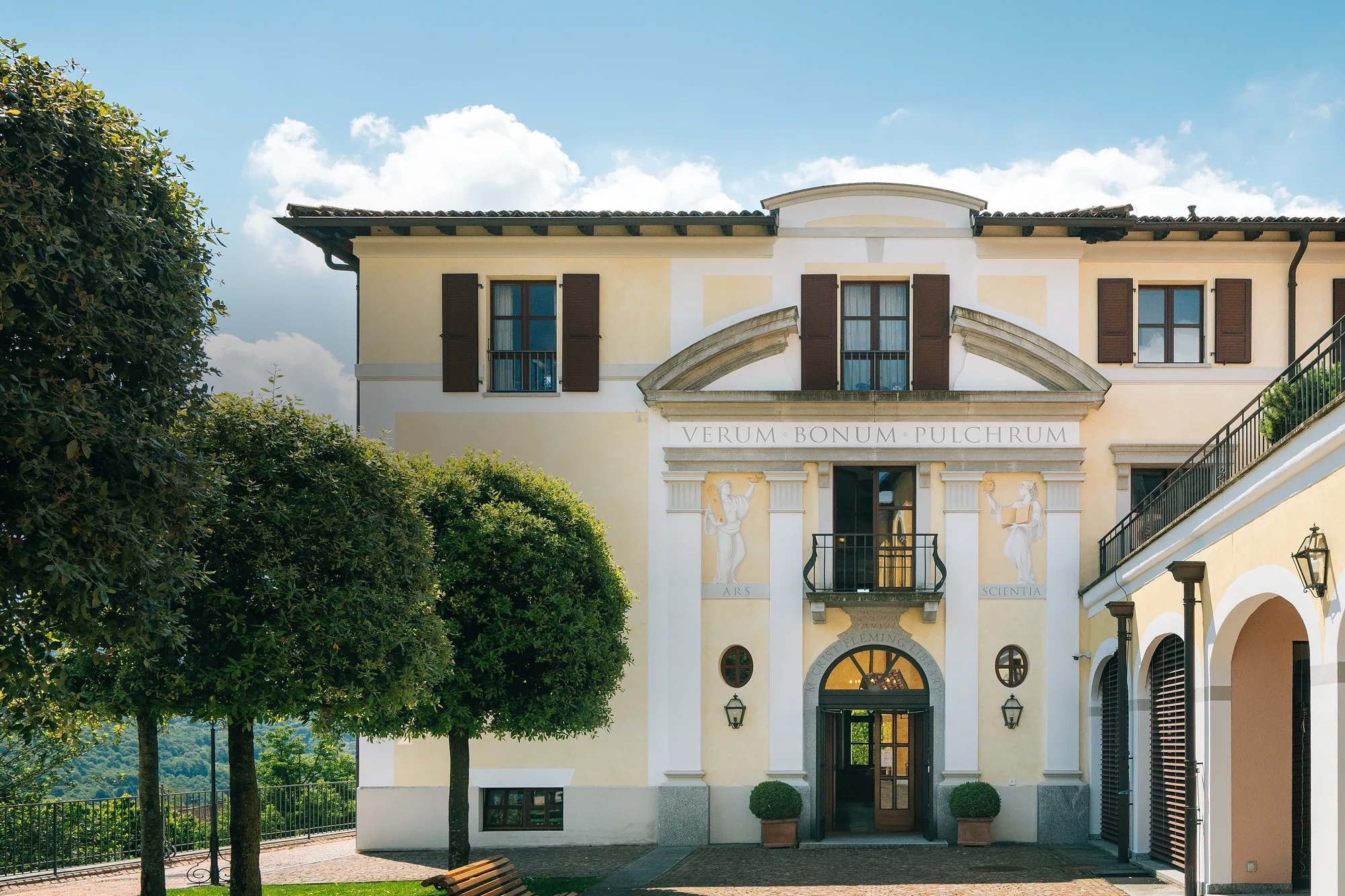
She came to Switzerland in 1955 for one summer and a handful of students. She stayed for the rest of her life. The school she opened the following autumn in Locarno had about a dozen pupils, three of them her own children, and no money behind it. In 1960 she moved it to Montagnola, to a villa she paid for with fees parents had agreed to send early. “No,” she liked to say, “is a word I don’t know.”
Her idea was simple but bold: children learn a language best where it is spoken. Switzerland, with Italian, French and German all within a few hours by train, was the right place for it. They should stand in front of the paintings they had read about. They should sit at dinner beside someone from another country and find, by the end of the meal, that they had a language in common. The school still calls this making world citizens. Fleming would probably have called it pressing all the buttons at once.
The golden hill
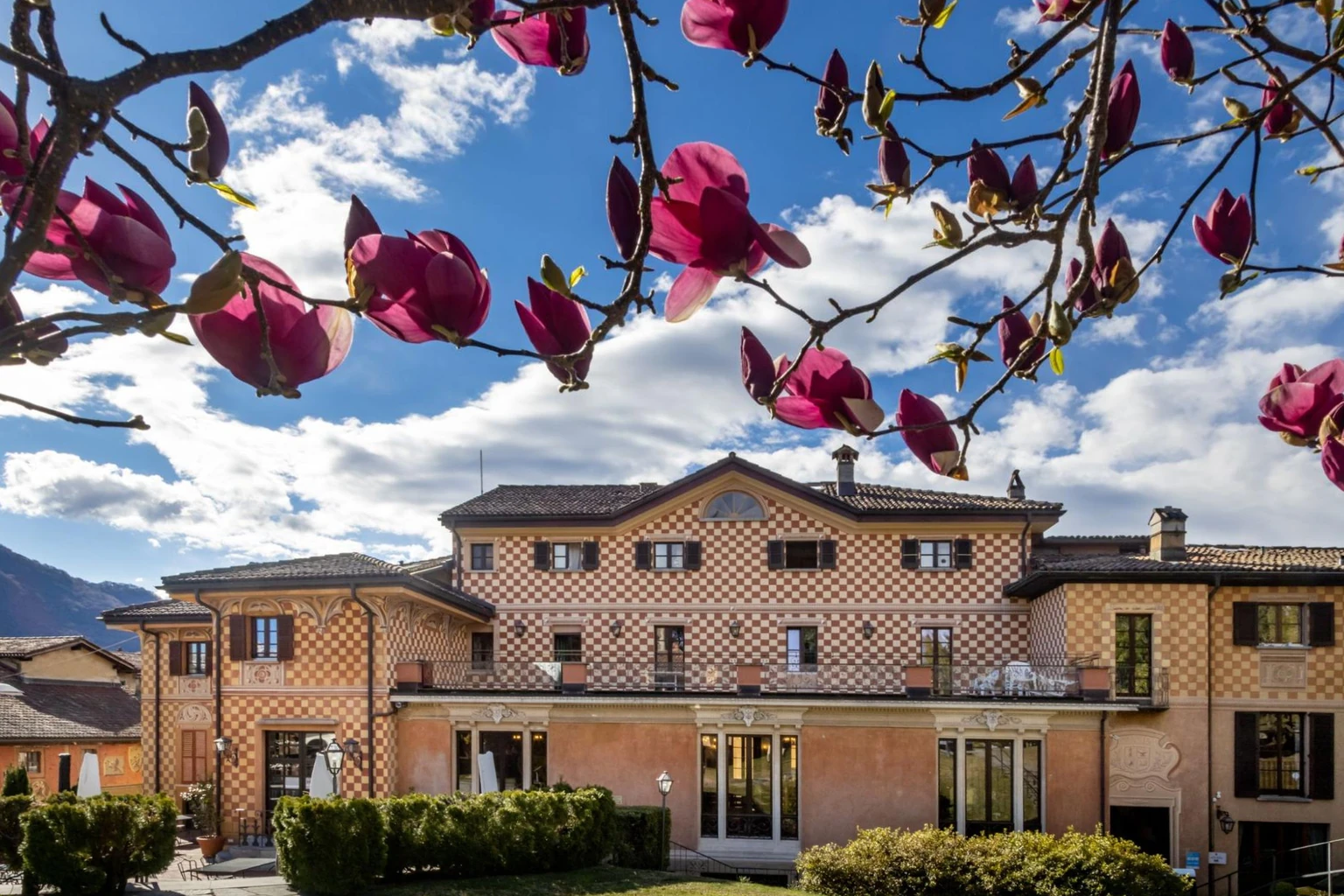
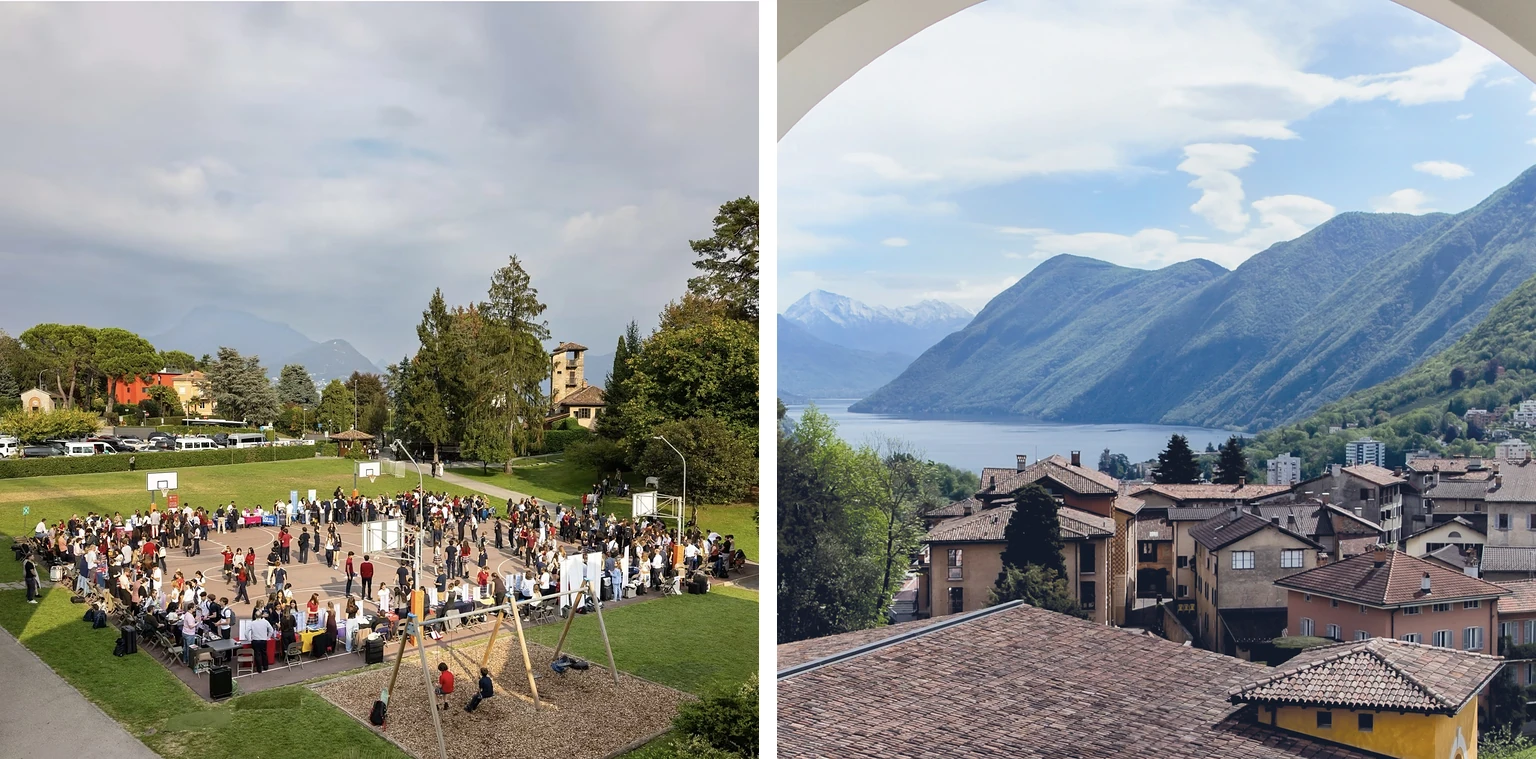
Montagnola lies on the Collina d’Oro, the golden hill above Lugano. Hermann Hesse, the author of Steppenwolf, lived in the village for more than forty years and painted its slopes in watercolour. The school sits a short walk from his house, and on a clear morning the lake below looks like one of his paintings.
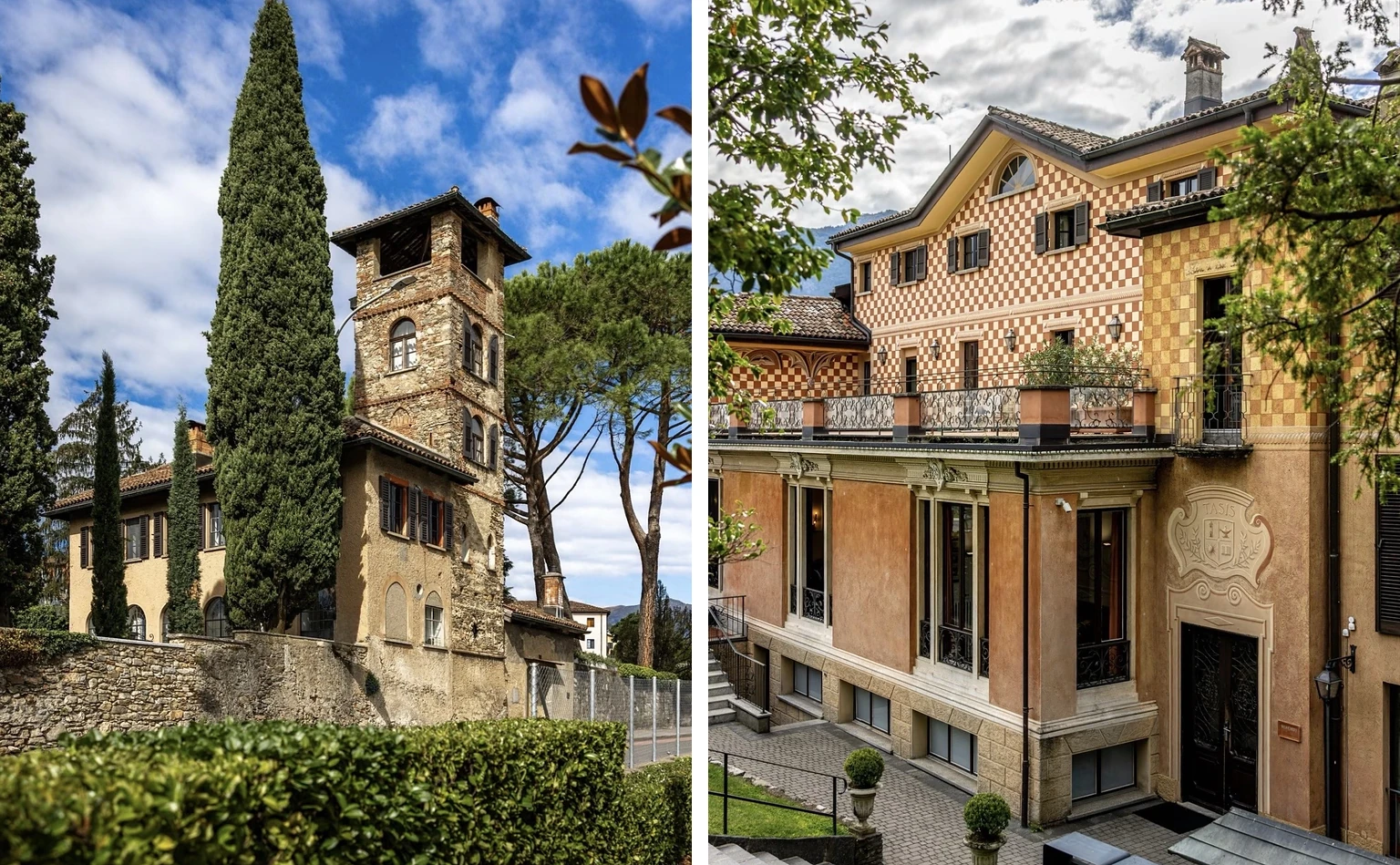
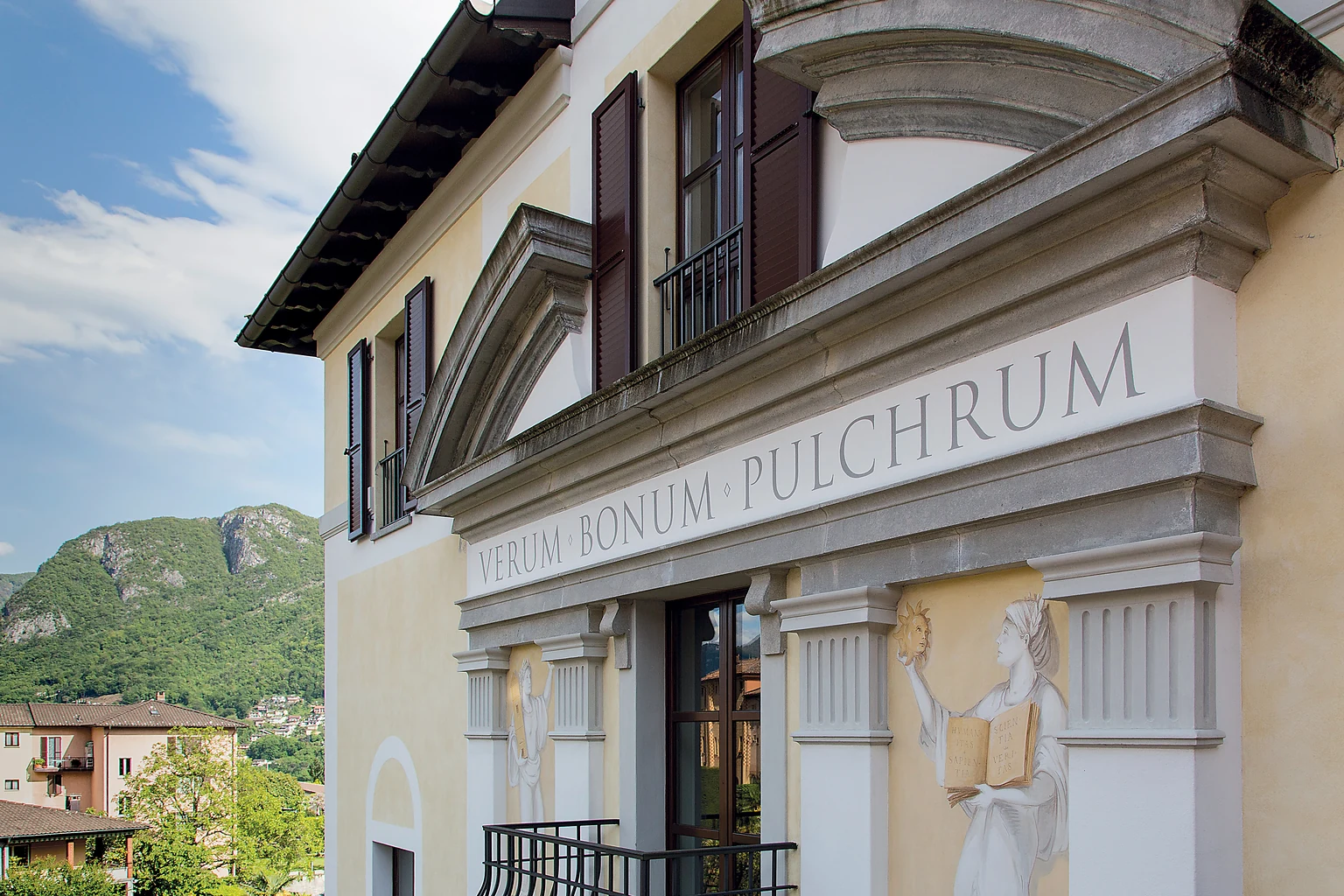
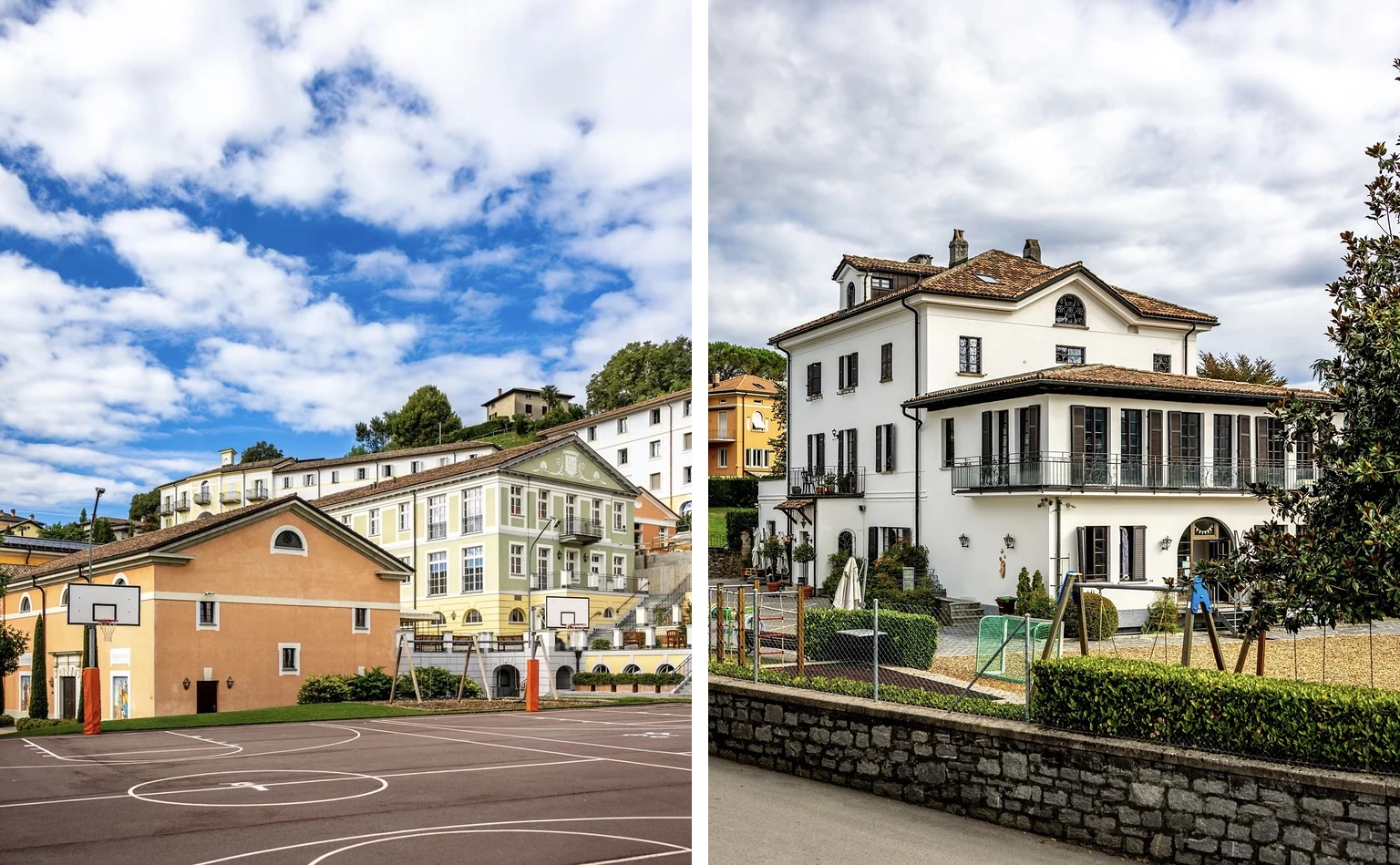
The school grew the way a village grows, one house at a time, and each house kept something of its old life. Mary Crist Fleming lived in a fifteenth-century tower. The dining hall still keeps the suits of armour placed there when the villa belonged to the Marchese De Nobili. The Scuderia was built in 1614 as the villa’s stables; the word is Italian for stables, and also the name of Ferrari’s racing team. For years boys slept where horses once stood. Since its renovation in 2022 it has been a girls’ dormitory.
The day starts early. Buses climb the road with the day pupils, and the boarders cross from their houses to breakfast in Villa De Nobili. By the first bell everyone is in uniform. Between lessons the piazza fills with English in a dozen accents, and alongside it Italian, French, Swiss German and every other language the children bring from home. It is a loud place, and a happy one.
For a newcomer the first weeks are usually harder. “I arrived at TASIS fresh from a small town in Texas and I was very scared,” one student told the school magazine. Another started in the elementary school without a word of English, “which made me quite uncomfortable”, until the school’s warm, welcoming atmosphere won him over. Rooms are assigned with languages in mind. Two pupils who share a mother tongue are not put together, unless that language is English, and changes are rarely allowed. A new boarder often ends up with a classmate they have never met, and the two of them find a way to talk.
Evenings keep their own rhythm. From Sunday to Thursday there are study hours in the dormitories, in silence, and phones go away at power-down. At the weekend the older pupils keep the lights on until midnight. In between there is sport, music and the theatre. “Where else but TASIS can you play a rugby game in the afternoon and perform onstage in a Shakespeare play in the evening!” a former student once asked.
Twice a year whole classes set off with their teachers to see the Europe Fleming wanted them to see, its cities, galleries and mountains, and in winter the school goes skiing in the Alps. On Friday afternoons and Saturdays the boarders take the bus down to Lugano for pizza by the water, and then the ride back up. That plan has hardly changed in generations. None of this comes cheap: for the parents it is one more button to push.
In June the day pupils go home, and the hill gets ready for summer. On opening day families arrive from morning until evening, and the road up turns into a slow line of cars and suitcases.
Mornings are for languages, English, French or Italian, in small classes. Afternoons belong to everything else: theatre, drawing and photography, hiking and climbing in the mountains, rowing on the lake, and trips to Milan, Lucerne and Verona, cities many of the children know only from maps. On Saturday nights there is a dance.
Friendships come quickly, on long coach rides, in shared rooms, at those Saturday dances. Children who arrived without a word of each other’s language leave as friends, and many fall in love for the first time, in a language that belongs to neither of them. The summer admissions office used to set strict limits on each mother tongue, so English became the language they shared. Counsellors and teachers live in the dormitories with them all summer, seven days a week.
Parents who visit at lunchtime eat in the dining hall with everyone else, and it is like the whole world gathered in one room.
Each session ends with a curtain call. The theatre play, rehearsed for weeks, usually goes up on the last day. Parents, friends and relatives fill the seats, clap and cheer, and the actors enjoy it as much as their audience. For some it is a first time on a stage, and perhaps the start of a lifelong love of the theatre. Then the night belongs to goodbyes, tears and promises never to forget the summer. In the morning the cars wind back down the hill. The school goes quiet again, but not for long. Till September.
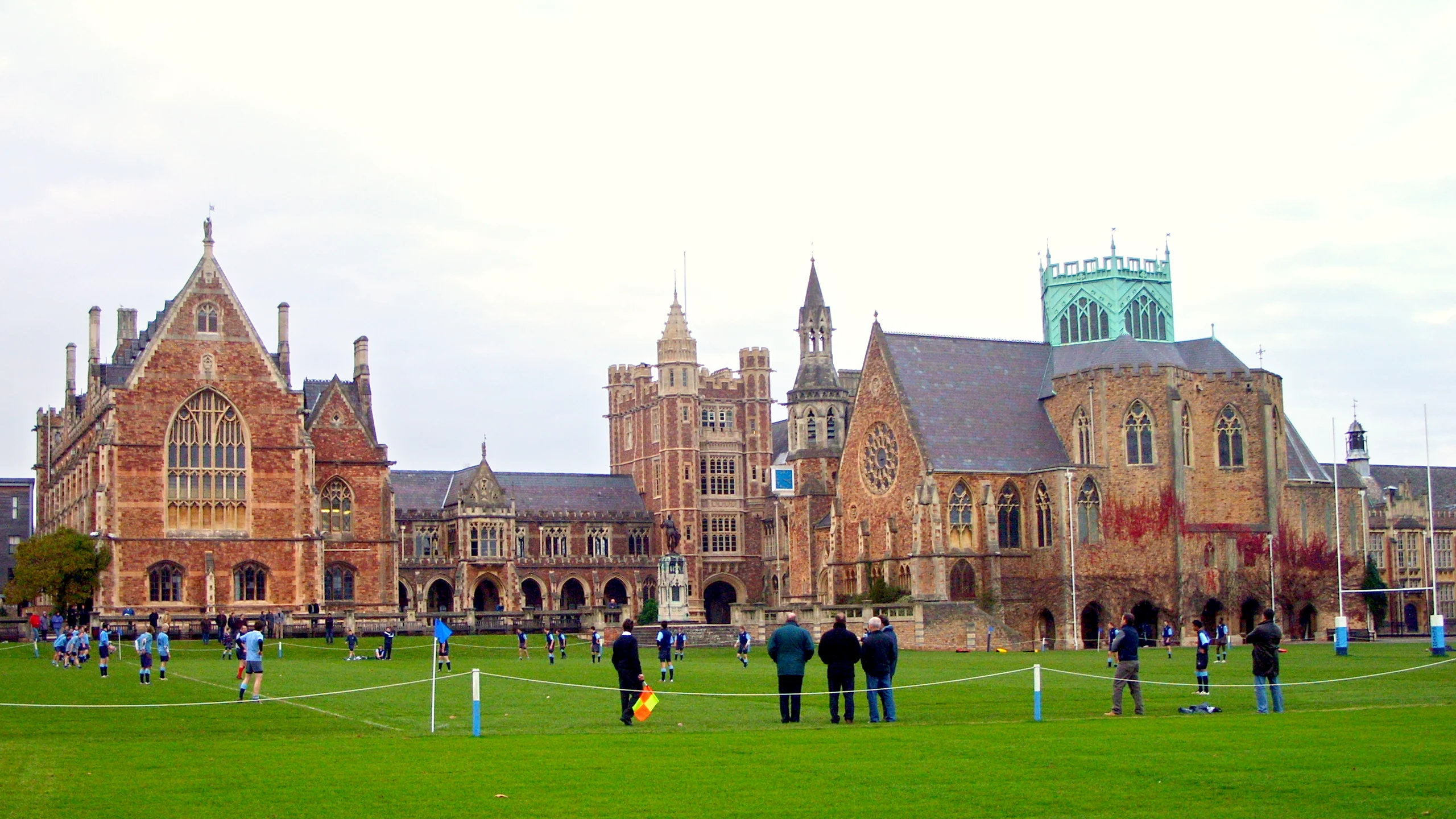
For many children that first summer is a turning point. Some come back in the autumn for the school year. Others might like it so much that they decide to go to a sister school, TASIS England, which Fleming opened in Surrey, just outside London, when she was in her sixties. For a time there was a TASIS in Athens too, but not any more. The children leave with the songs from the play and the memory of the first time they managed on their own.
Those who stay on through the school years become part of something that stays with them for life: the TASIS spirit, a habit of kindness and the outlook of the world citizens Fleming hoped to raise. They leave richer in friendships and experience, with an American or IB diploma. “Nothing can possibly fill the emptiness that was formed after leaving Lugano,” one of them said a year after he left. The frightened girl from Texas found longtime friends there and married a classmate.
All of it goes back to one woman and an idea she had in 1955.
Fleming died in her tower in January 2009, at 98. “She died at the start of a school day,” her daughter, Lynn Fleming Aeschliman, told swissinfo, “and I know that made her very happy.” She is buried at Sant’Abbondio, a short walk from the school. Her photographs still greet us from the walls of the school. In them she laughs in the dining hall and stops to talk, and it is as if she still keeps a kindly eye on the school she pushed all the buttons to build.
The lake below
Lugano lies on a lake shared with Italy, in the Italian-speaking south of Switzerland. Two mountains frame the bay, Monte San Salvatore and Monte Brè, and a funicular climbs each of them. In the woods above the water are grotti, stone cellars once used to keep wine and cheese cool, now simple restaurants with granite tables under the chestnut trees. In Montagnola the Museo Hermann Hesse occupies the Torre Camuzzi, where the writer rented his first rooms in the village in 1919.

Photographs: M. Zanecchia, TASIS.