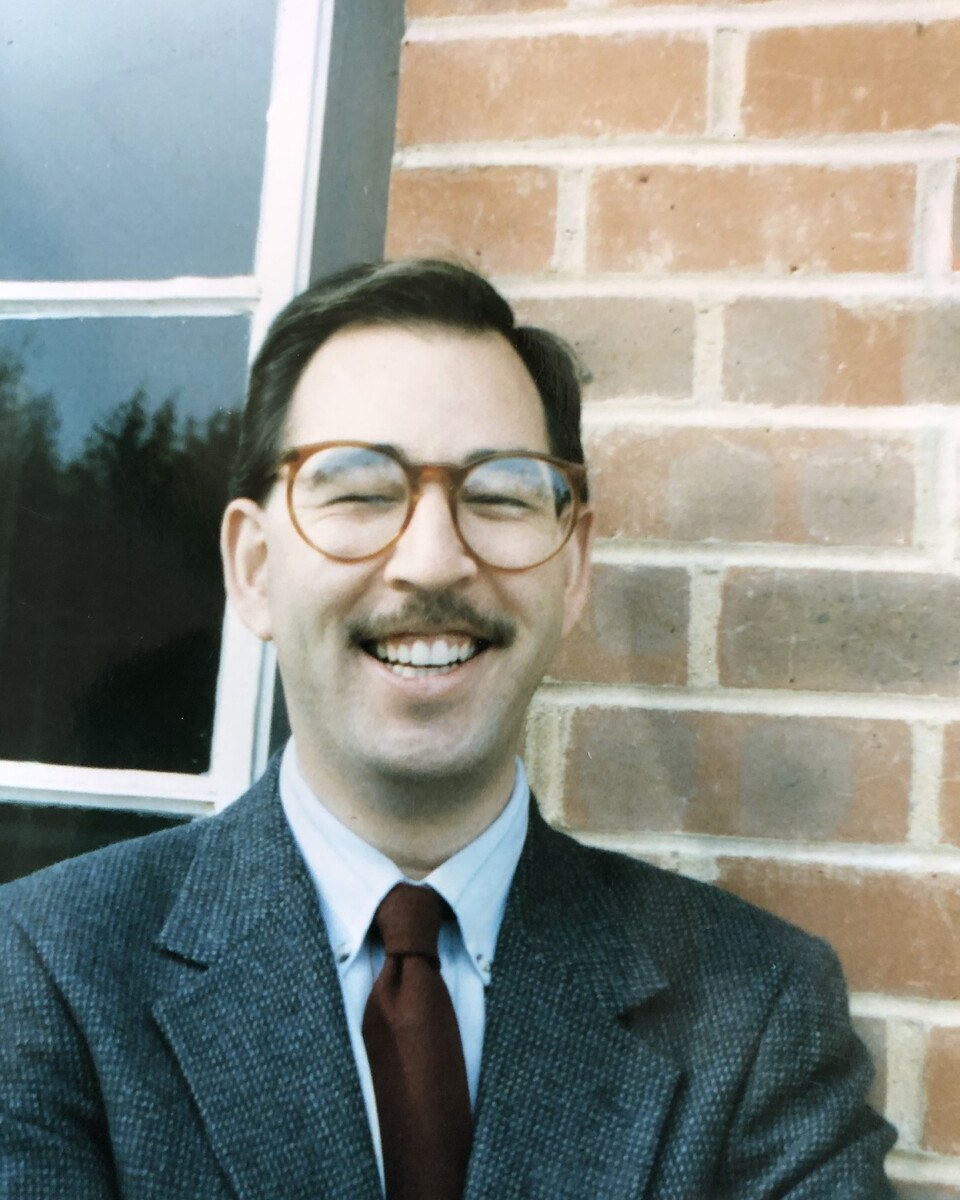
Stationery. Pencils. Pens (specifically, red pens!). Paper. Books. Yes, these were just a few of my favourite possessions when I was a youngster. I revelled in anything related to school. I experienced glee when I played “school” after school. I created a stunning, magical classroom in my bedroom, and I imagined myself teaching a class of imaginary students. Firm and demanding, I required the best of my charges. I adored creating lessons and exercises. Marking them methodically and meticulously excited me. Marks? Only mum received the highest marks.

As a youngster of eight or nine, I knew that the classroom called upon me. I launched my first summer school at age nine, and I required that the neighbourhood youngsters attend faithfully. My lessons demanded attention and hard work. Not surprisingly, most of my students departed after a few days. Nevertheless, I sent home messages in my neat, adult-like handwriting to the parents, expressing my discontent that their son’s or daughter’s behaviour did not meet my expectations:
“Dear Mr and Mrs Smith,
Susan has not attended class this morning. If she is to improve her skills, her attendance is necessary. I am not pleased.
Sincerely,
Marcel de Lannoy”
“Dear Mr and Mrs Logue,
Debbie talks too much in class. I am not pleased.
Sincerely,
Marcel de Lannoy”
I suspect that these parents asked themselves, “Who on earth is this person? Why is he so utterly displeased?”
I delighted in writing grade reports! Regularly terrorised by my brother and sister, I took sweet revenge in composing stern, no-nonsense commentary and awarding them punishing marks. (Looking back, I recognise that those marks were not so different from those that they received in school.)
My journey to teaching nirvana took many forms over the years, from tutoring jobs, classroom assistant and classroom decorator to teacher’s aide. Those various pursuits filled me with glee, armed me with invaluable experience and maintained my resolve to become the best teacher that I could be.
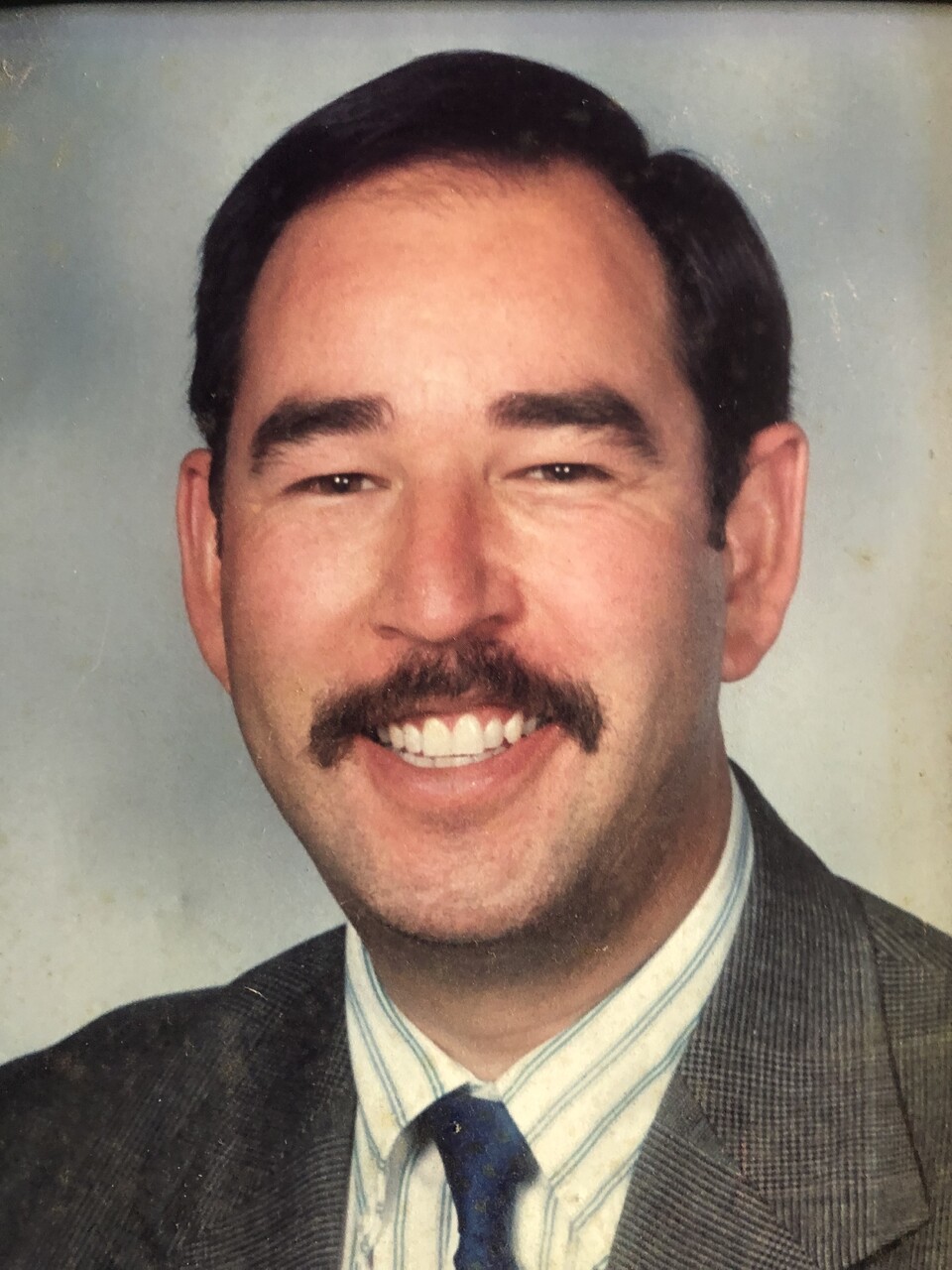
I was blessed to have had so many delightful, competent, talented and kind teachers who guided me, showed faith in me, encouraged me and taught me well. They inspired me! My sixth-grade teacher, Mrs McWilliams, epitomised those qualities that make a teacher exceptional: extraordinary knowledge, a superb manner in delivering her subject to her charges, a finesse at managing classroom order, compassion and sensitivity. I adored her, and I had the good fortune to work as her aide throughout my high school career. For many years thereafter, I remained in touch with her. I continue to think often of her and of my many other wonderful teachers who stood by me. My only regret? I did not thank them as profusely as I should have.
I completed my undergraduate, graduate and teaching credential programmes at the University of California at Berkeley. The rigorous, demanding programmes instilled discipline in me and provided me with a top-notch education that has stood me in good stead over the years.
A product of the transformational grammar and audiolingual approach, I always felt that these programmes had their pronounced limitations and that second language acquisition required years to develop (although I had excellent teachers). While at the University of California, I learned to use “the direct method”, where all instruction took place in the target language. All four language skills (reading, writing, listening and speaking) were emphasised equally and developed simultaneously. Effectively, it was akin to building a house by laying first the foundation, then erecting the walls and finally placing the roof on the house.

Upon finishing my MAT in French and Education in 1983, I embarked upon my teaching career. I taught in private schools for 35 years. Although I had actually envisaged teaching French in a state school, where I felt excellent, effective teaching was necessary, I opted to pursue teaching at private schools, where I would have the latitude and flexibility to create my own language programme. The direct method, at the time, proved quite innovative and daring because all the learning took place in only the target language. I took it a step further by employing this approach at the middle and upper school levels. I supplemented the approach with a plethora of my own strategies, techniques and tricks.
A true convert to and a cheerleader for the implementation of the direct method in middle and upper schools, I had my supporters and fans. If I said that convincing my colleagues to emulate my approach came easily, I would be lying. Assuring parents that their youngsters could deal with the demands of the programme was not easy either. My pedagogical talents and skills impressed many and precipitated jealousy among some of my colleagues.
When I stood in front of the class for the first time, I intended to make language learning enticing, enjoyable and accessible. I pulled out all the stops to create a dynamic programme where youngsters quickly developed their linguistic competence. Establishing a safe environment was primordial, given that all language learning would take place in the target language, an often threatening and frightening reality. Albeit fairly strict in my classroom order and delivery, I went to great lengths to encourage, praise and support my students. Each day’s lesson contained a variety of elements: correction, practice, review, oral work, amusement, film, video and line-dancing! Each daily instalment took the form of a variety show which I emceed, and my students arrived as the guest stars. Laughter, skits, delivery of personal stories and student-created videos punctuated the proceedings. For the most part (!), my students participated with enthusiasm. The stellar results impressed the parents, my administrators, my students and me.
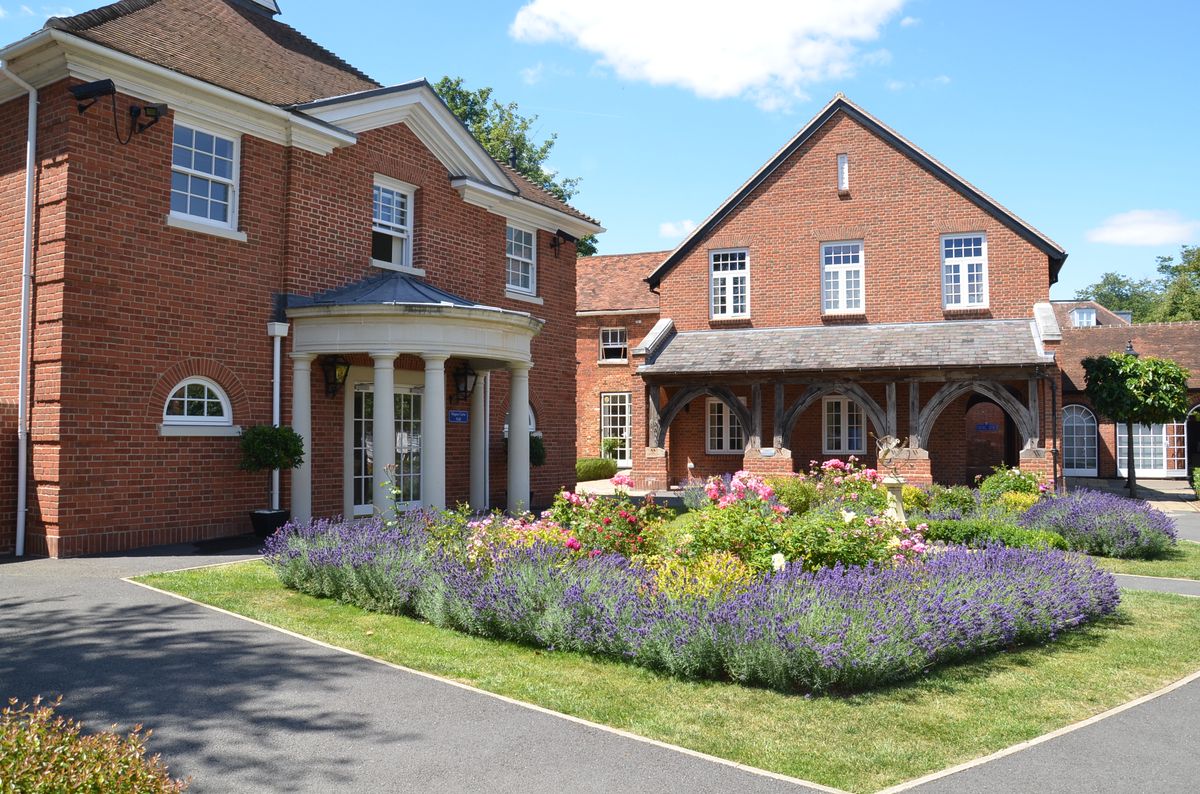
The results came with an abundance of hard work: daily feedback, frequent quizzes, demanding tests, weekly compositions, regular oral projects and comprehensive examinations testing all four language skills in a variety of ways. Along the way, I provided plenty of scaffolding: study guides that meticulously illustrated grammatical points and highlighted those essential grammatical elements that I expected them to master.
The excellent results, however, did not come without criticism. I had my share of detractors, critics and adversaries of my approach, ready to pounce on me at almost every turn. With confidence in myself and my methodology, I persevered, determined to succeed. Looking back, I recognise that I was a bit over-the-top. Sometimes I was a bit dogmatic. Nonetheless, I have no regrets. I did my best.
Retired since 2018, I have had the time and opportunity to ponder my career… my journey through life as an educator (a career that meant and continues to mean a lot to me).
Finally, do the job well. My schools required frequent grade reports, which I took seriously. I spent hours meticulously composing and perfecting reports. Although I did not hesitate to highlight weak points on the part of my students, I included positive anecdotes and offered much praise and suggestions for improvement. I recall that towards the end of my teaching career, a wonderful student of mine, Maddie, turned around in class to tell me, “Monsieur de Lannoy, whenever I feel depressed, I take out your grade reports to reread. I always feel better afterwards.”
I responded, “Maddie, that was my intention!”
Not long ago, Marcel de Lannoy posted a comment about teaching on Facebook. Much to his surprise, he received messages from two former students and a former colleague. They brought tears to his eyes.
Allison
Your legacy is vast. I'm sure that there have been many times that you've wondered if it was all worth it. I don't know if there's ever a right answer to that question, but at least know that there are many, many former students out there who felt valued, encouraged, and inspired by you. In all my years since, I have met few other teachers whose lessons, both academic and otherwise, have matured along with me!
Jessica
You were SUCH an amazing and influential teacher. I wouldn’t be teaching French now if I didn’t have your wonderful classes all those decades ago.
Eveline, former colleague
This publication perfectly captures what it means to be a regular teacher. Even if we aren't all as exceptional as Marcel de Lannoy, our everyday efforts matter, even though they are rarely acknowledged. Following Monsieur de Lannoy's example was always my ultimate dream, even if he set the bar incredibly high. Merci, Monsieur le Professeur.
About the author
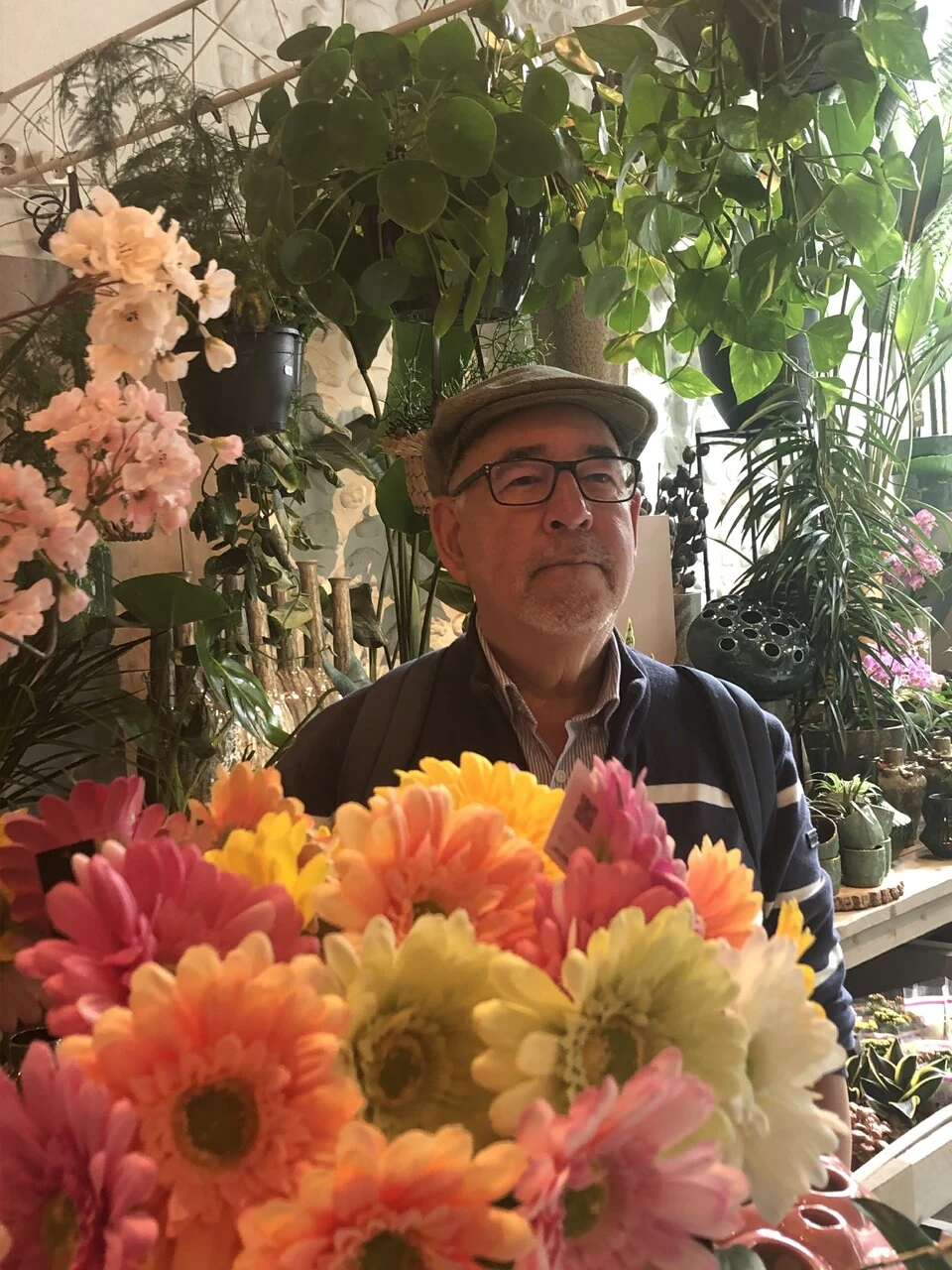
Albeit a Dutchman, Marcel de Lannoy grew up in the San Francisco Bay Area in the 1960s and 1970s. After university he worked as a flight attendant for World Airways, then began teaching in 1983 at Keith Country Day School in Rockford, Illinois. In 1986 he joined the faculty of TASIS England, outside London. He retired in 2018 after 35 brilliant years in education and has lived in his fatherland, the Netherlands, since 2019.
Red pen photo: Kelly Sikkema / Unsplash