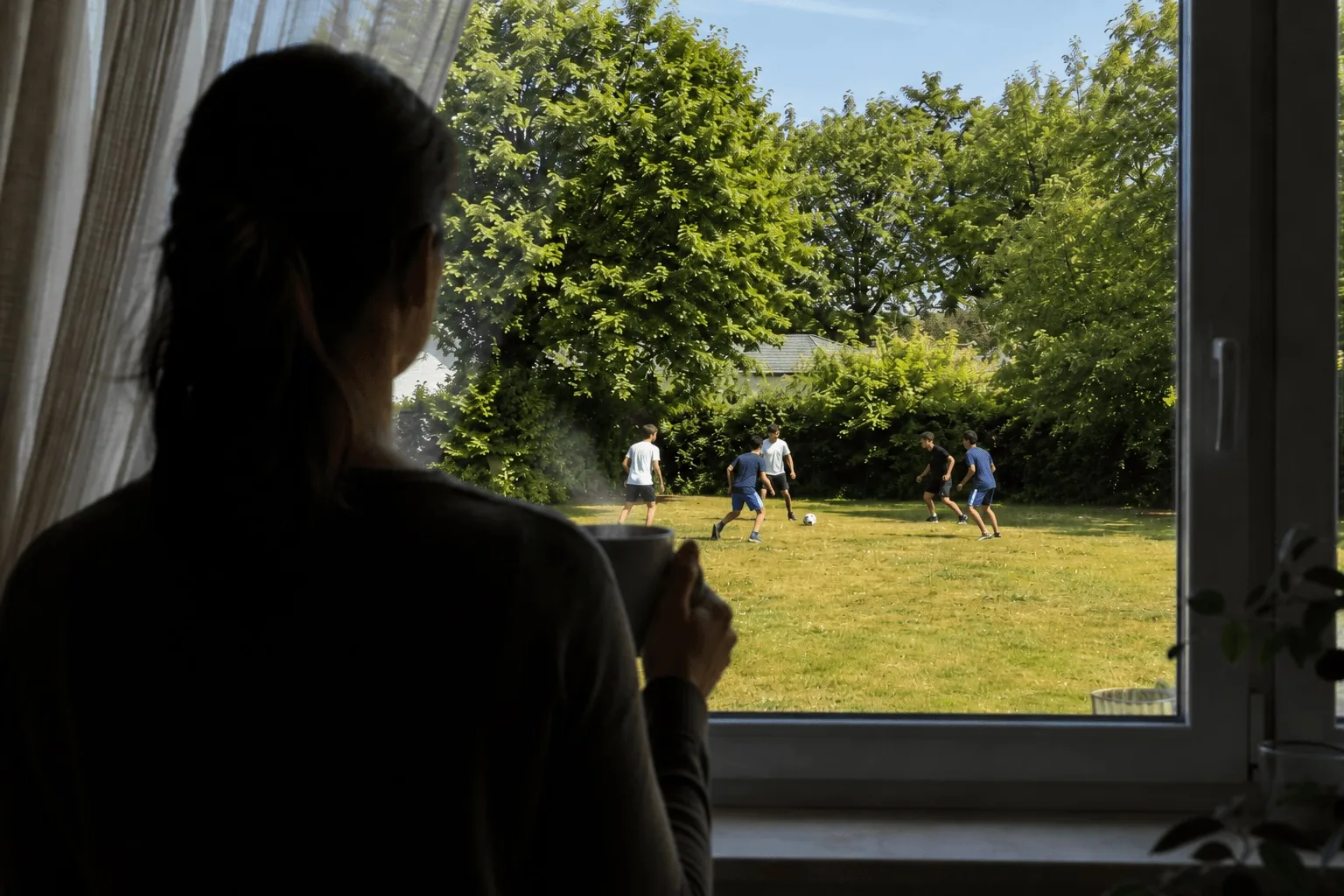
The match was over. Standing a little apart from his team, near the edge of the pitch, the boy was trying not to cry. His side had lost. Disappointment written all over his face, watching him took me back to my own childhood. But a few minutes later, he was back among the other boys, kicking a ball about, laughing. A small miracle.
We need to face it. It is us, the adults, who tend to linger longer on the loss, analysing the match, counting goals and mistakes. Yet the boy would remember something else from this game: who came over to him, who said nothing, who shouted, who pulled him back into the group.
More Than Winning
I recall a boy I coached in Shanghai. When he joined the team, it soon became clear he was slower on the ball, hesitating before making a decision and, in a team this strong, that was even more noticeable. But, he watched the better players, copied what they did, showed up, worked hard and stubbornly remained. Imagine a child who willingly accepts he is not as good as the other players but works so hard that he eventually makes his debut for the team playing in one of the strongest school leagues in the city.
More demands were placed on both boys than people would think. It is not about winning a match or the tournament. It is about that pass that finally comes off, that teammate who trusts him with the ball, that first match feeling part of the team. We need to face the fact that it is us, the adults, who linger longer on the loss, analysing the match, counting goals, remembering mistakes, who believe we are not good enough.
The Football Pitch as a Classroom
I was once surprised, as you would be, to see my boys lose but still walk off the pitch with their heads held high, very proud of themselves. Thirteen years old, they had just lost to a team that was one of the favourites. Their passing had held together, they had stuck to their style and created real chances of their own. As they described it during reflection later, it had been a defeat of a different kind.
The most important lesson children take from team sports is how to interact with others, whether winning or losing. How to encourage, how to lift a teammate, how to pass the ball instead of chasing the goal themselves. Such moments shape a child far more than any drill, they can draw a quiet child into the group and steady a nervous one. That sense of belonging rests on a feeling of safety, on acceptance with no conditions, and on the quiet confidence that is gained from being valued.
A kid who is upset after making a mistake is already telling you something very important: he cares. Our job is to handle this with equal care: we, the adults, must not allow that upset to turn into fear. This is when good coaching matters most, helping a child see that mistakes are part of learning, never signs of failure.
Sport also teaches responsibility and commitment. One of my 14-year-olds badly wanted to travel to a tournament with us, but his place was not certain. His behaviour and grades at school had slipped, and his teachers, parents and I agreed on one thing: he could only come if both improved. School and football mattered equally so he did improve and he did travel to play in what was to be one of his best tournaments, a more settled and more self-confident person.
Confidence, Decisions, and Finding Courage
A game of football is a long sequence of small decisions made in a fraction of a second. Pass or dribble, step in or hold, track back or stay. The child makes these on his own; no time to wait to be told from the touchline. This is exactly when those hours of drills quietly pay off. A movement repeated often enough becomes routine, almost a reflex. Deciding becomes a habit, the habit settles into confidence allowing a young player to trust his own judgement and, if a mistake is made, then rather than being feared, it can be acknowledged and owned. That is courage, and the player who finds it on the field carries it long after the game is over which is one of the reasons why, if a player starts early enough, making a decision comes as naturally as taking a breath.
The Responsibility of Adults
Stand by any youth pitch on a Saturday morning and you will hear parents shouting from the sidelines, a coach yelling across the play, fathers telling who to pass to. Meanwhile the children chase the ball, trying to obey those instructions as well as thinking for themselves at the same time.
I remember one father who stood on the line at every match, correcting his son, urging him on and the boy heard that voice above every other, even his own. When I spoke to him about this, he understood at once. He still came to the matches and still cared but he stopped trying to steer the game through every touch so the play belonged to his son and the team. The atmosphere also shifted, the passing opened up, and the boys began to talk to one another.
As in this case, more often than not, it is the adults who unknowingly create the atmosphere. We would do well to remember this: the voice of an adult can shape a child more than a game ever can. The score will be forgotten within a month but how we made a child feel when he played will stay with him far longer. While we mean to encourage, we add pressure. While we think we are helping, we are simply stifling the child's own thought process.
I think again of that boy by the pitch, after his team had lost the game. He had walked back over, and started to kick the ball about. This is what football is all about: feel the defeat when it happens, then come back to the pitch, put the ball in front of you, smile, and try again.
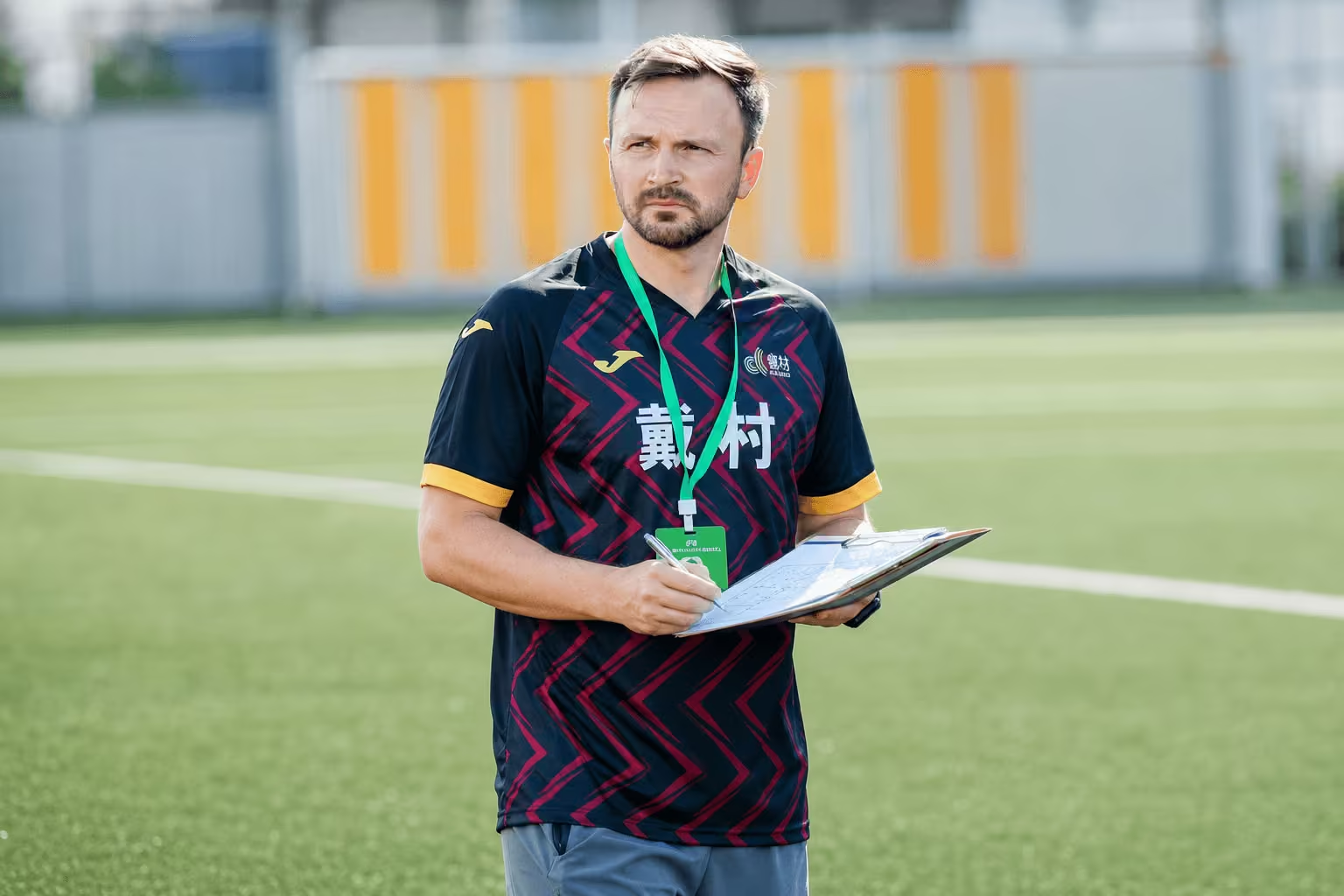
Goran Popovic is a UEFA A football coach and PE teacher with more than fifteen years of experience in elite youth football and education across Serbia and China. Since 2016 he has worked in China, from grassroots and school football to university and international school settings. He teaches IGCSE PE and coaches football at Wycombe Abbey School Hangzhou, and his interests lie in player development, education through sport, and the long-term growth of young people.
Author:
Goran Popovic
Published:
June 6, 2026
SHARE