
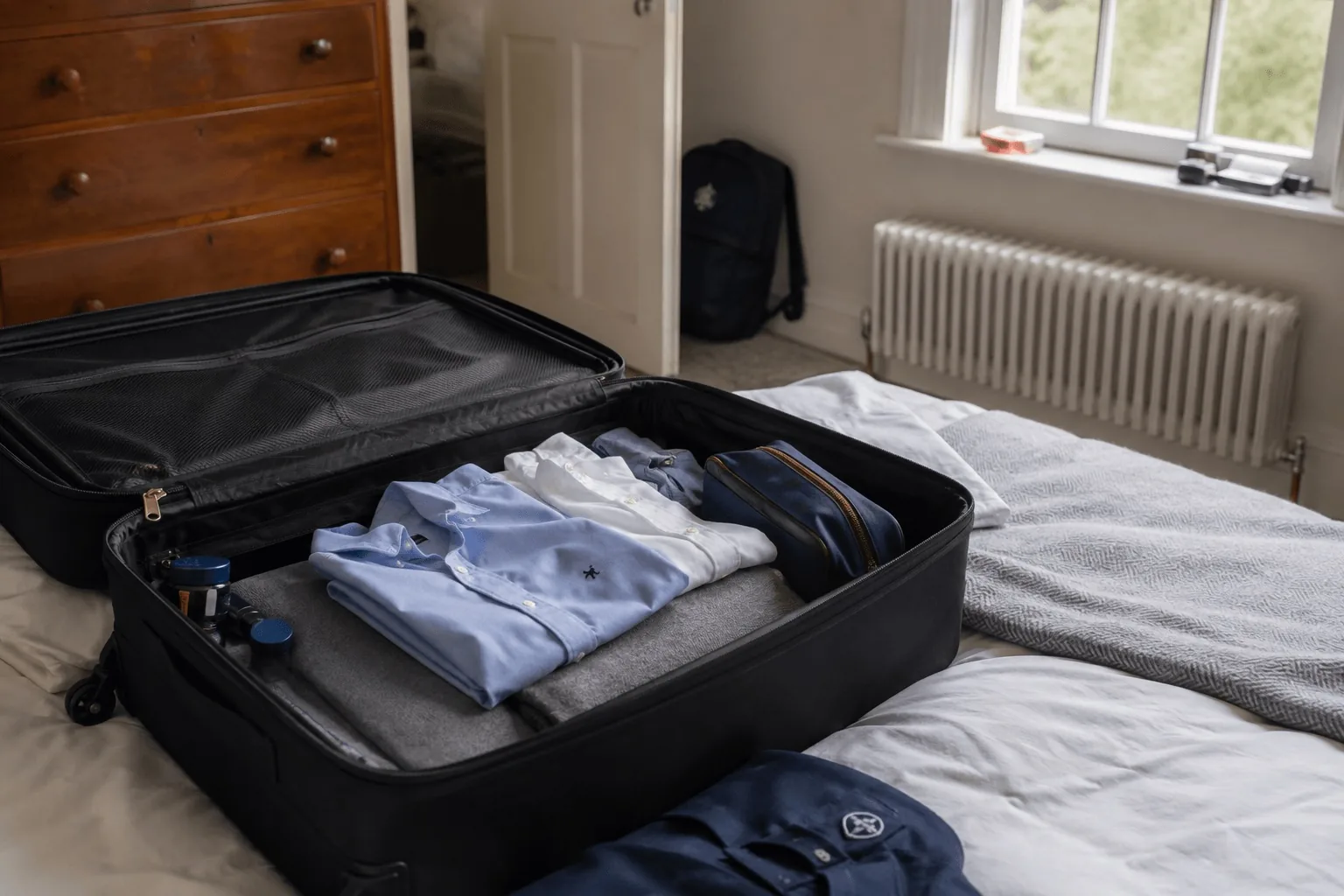
By July, most of the practical decisions have been made. Two lists are pinned to the fridge, the school's and the mother's. A father brings down a suitcase and leaves it open in the spare room, and for a while it holds only a few shirts and a wash bag. In the evenings, the parents sit in front of the television. She sews name tapes into collars while he goes through the payment schedule. Again. Shampoo, toothpaste and washing powder are bought in quantities that would look absurd at any other time.
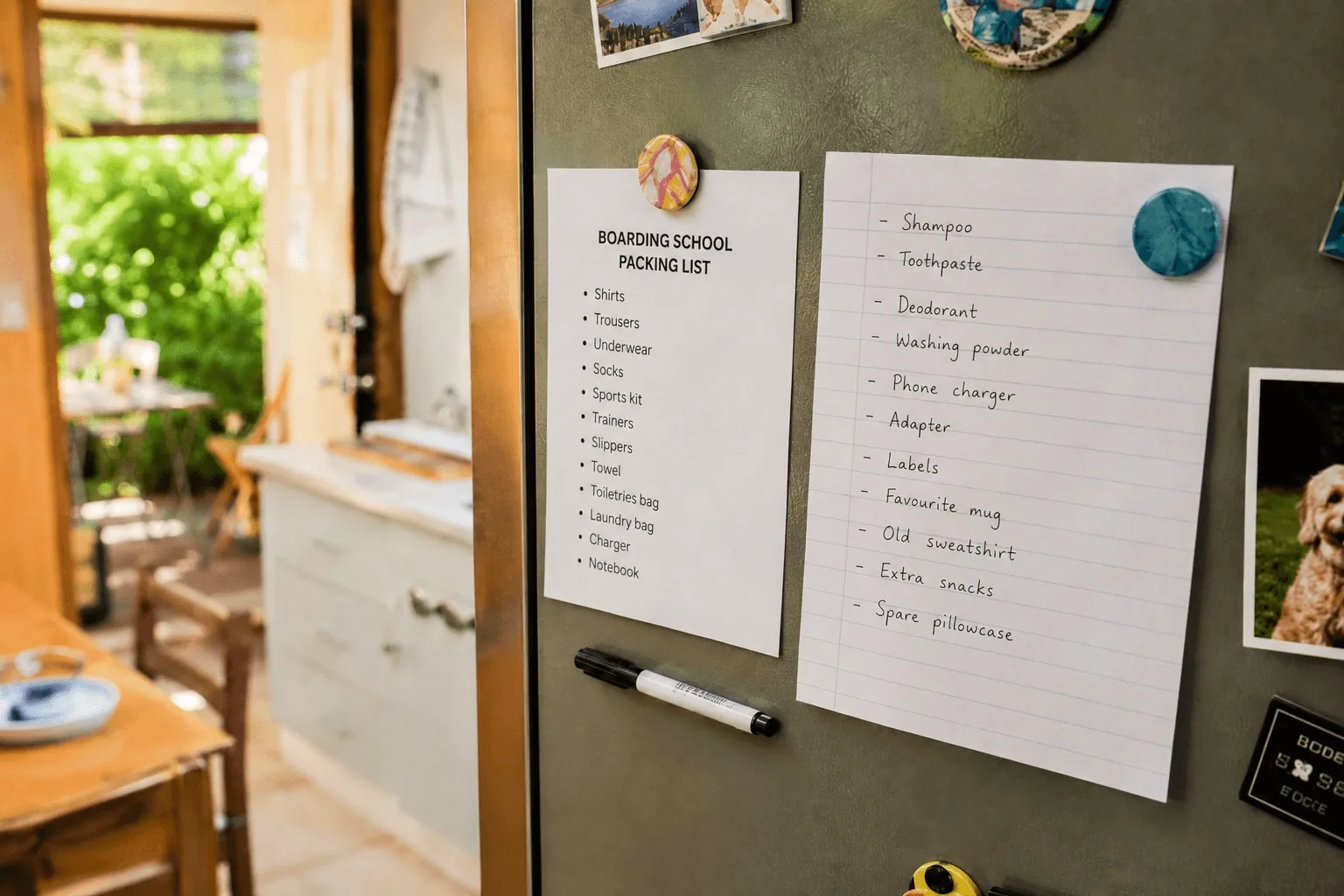
These are all manageable jobs. Shoes can be ordered, towels labelled. Each task can be finished and crossed off, while September still feels distant and difficult to imagine.
By now, boarding school has worked its way into almost every conversation. There is a relative who asks if they are excited. Every shopping trip seems to involve school shirts and socks, and every family lunch finds its way to September.
The child reacts each time differently, because everything around them keeps prodding. One day they cannot wait. The next they are unsure. On the third, they are simply tired of being asked about a life they have not yet lived.
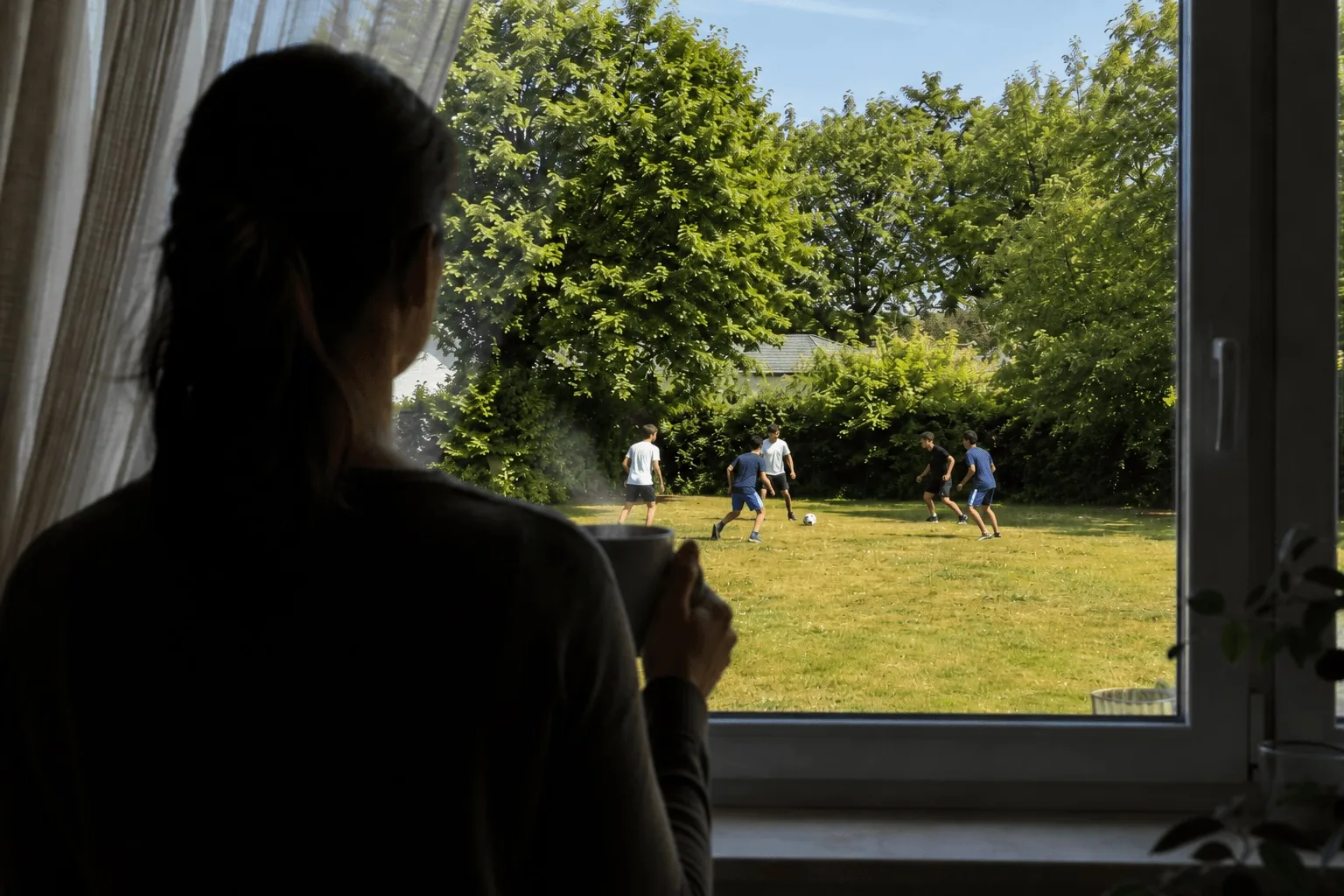
But the summer is far from over. Friends still turn up without warning, mornings are still long, the weather is hot and the pool is calling. Yet the ordinary days feel different, as if each one counts twice. A favourite meal is cooked more often, family photos are taken now and then. The small jobs the parents used to grumble about- making the bed, finding the charger, rescuing the wet washing left too long- are now done without a word, or with a gentler warning: You’ll see in September. At some point, the mother finds the right moment and shows the child how the washing machine works. Again. It is not really about the washing, and everyone knows it. It is about balance: the pride and excitement that the child is ready for this, and the quieter fear underneath it. What if they are not? What if it is still too early?
There is no universal formula for how to prepare for what is ahead, and experiences can be very different, even within the same family.
The older boy chose boarding because school had always come easily and it was time for a bigger challenge. He felt fairly ready when he left. Looking back, he remembers being surprised by how much he missed his friends. But new people and new routines soon filled the gap. The harder parts were the discipline, with days more regulated than anything at home, and the sheer size of the school; he spent the first two or three weeks working out where things were. Years later, he calls it good preparation for university and life away from home. When asked whether he would recommend the same for his own child when the time comes, he says he would, without hesitation. The only small regret is not having stayed in touch with more people from school, though perhaps that is not unusual at that age.
The brother, seven years younger, went partly because he looked up to the older one and wanted to follow him, and partly because the school offered him the chance to pursue basketball, which had been his dream for years. That gave him a strong purpose before the school year even started. His journey, though, was bumpier, academically and personally, and asked more of him. Years later, work took him into education and back to a boarding school, this time as a member of staff. By then, he knew that it was usually a string of small things that could leave a new student feeling unsettled: an unfamiliar routine, a room to keep tidy, managing time and a schedule alone, a first week without a familiar face.
For boarding staff, none of this is unusual. They know how to help a child settle and a parent who can trust the experience of the boarding team is likely to make the transition easier for everyone. From what they see, the children who settle fastest are usually those who come wanting to be there, open to the change and ready to get involved. And if a child says they hate it in the first week, that can be just a reaction to everything being new. It helps to know this in advance, before the first difficult phone call comes. One probably will: the child rings after a bad meal or a hard day, and at home the call fills the whole evening, every pause turned over and weighed. By then, the child has usually put down the phone and gone off to watch a match with the others.

It is not only the children whose lives are about to change. The parents are carrying their own mix of pride, excitement and unease. For the mother of these two boys, pride was the strongest feeling in both summers before they left for boarding school.
The worries were much the same both times. Would they be healthy? Would they eat properly? Would they make friends? Would someone look after them when they were ill? Would they miss home too much? But in both summers, for that mother, the worry never grew larger than the pride.
And in the end, both boys managed. In their own time and in their own way, they found their feet and grew into lives of their own. Boarding, like the other major decisions in life, had been their choice and the parents stood behind it. There might be hard feelings or blame along the way and that is part of it. There might, in time, be gratitude. But that is not the point. A parent's job is not to be liked and praised at every turn. It is to prepare a child for a life of their own.
For now, though, the summer stretches out, slow and warm. The child is still at home, the friends are still a phone call and a bike ride away and the suitcase in the spare room is in no hurry to fill. There will be time enough for September when it comes. It is going to be all right.