Most international schools display a row of small emblems on their websites, in their brochures, and in their admissions materials. CIS, IB, COBIS, Cambridge, Pearson, NEASC, WASC, Cognia. Parents and students rarely have time, or a clear source, to find out what any of them actually mean. The assumption is that they all point in the same direction: the school has been checked, approved, and belongs to something serious. Some of them do mean that. Others mean considerably less. Here is what each one is, and what a school had to do to earn it.
INSTITUTIONAL ACCREDITATION
This is the most demanding category. The school as a whole is audited against international standards: governance, leadership, teaching, safeguarding, student wellbeing, staff qualifications, inclusion, finances, school culture.
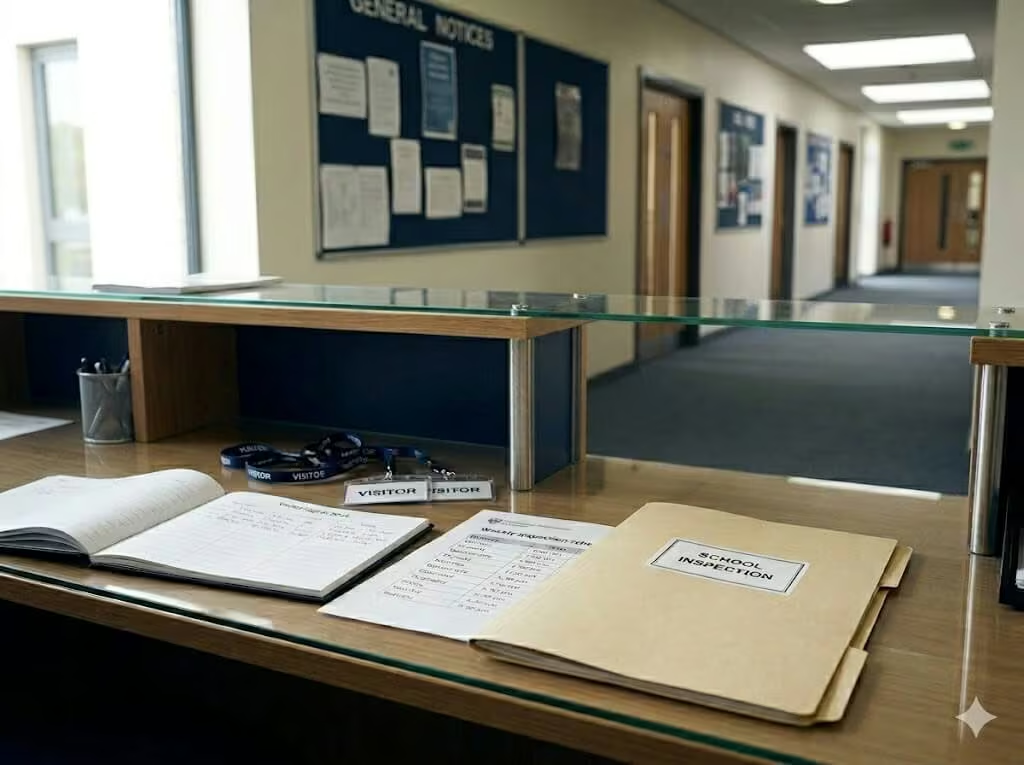
CIS, Council of International Schools Based in the Netherlands. Used by international schools in more than one hundred countries. To be accredited, a school completes a self-study lasting around eighteen months, hosts a visiting team for several days of classroom observation and interviews with staff, students, parents and governors, and receives a report with required actions. Re-accreditation comes every five to ten years. A CIS member school has joined the network. A CIS accredited school has passed the audit.
NEASC, New England Association of Schools and Colleges American accrediting body that also works internationally through its ACE (Accreditation for the Education of the Child) protocol. The process mirrors CIS in scope and duration. NEASC pays particular attention to the learner's experience and the school's stated educational principles. Many schools hold joint CIS-NEASC accreditation, completed as one combined evaluation against both sets of standards.
WASC, Western Association of Schools and Colleges Another American regional accreditor, widely used by international schools in Asia and the Pacific. Self-study, peer review visit, action plan, periodic renewal. WASC places weight on continuous school improvement and on schoolwide learner outcomes. The school must show not only that it has standards, but that it measures itself against them year after year.
Cognia, formerly AdvancED US-based accreditor operating in around eighty countries. The process covers leadership, learning capacity and resource use, supported by surveys, classroom observation data and a visiting team. Common in international schools with American curricula, and in school systems wanting a single accreditor across multiple campuses.
MSA-CESS, Middle States Association Commissions on Elementary and Secondary Schools American regional accreditor with a large international presence, particularly in Europe, the Middle East and Latin America. The process again follows the standard pattern: self-study, peer review, recommendations, follow-up. MSA is often held alongside curriculum authorisations from Cambridge or the IB.
COBIS, Council of British International Schools A membership organisation for British international schools, with its own accreditation programme. Being a COBIS member means the school is part of the network and attends its conferences and training. COBIS Patron's Accreditation is a separate, more demanding status, awarded after inspection against standards covering leadership, curriculum, safeguarding, staff welfare, and the quality of the British educational experience offered abroad. Renewal happens every few years.
GOVERNMENT INSPECTION
BSO, British Schools Overseas A UK government inspection scheme for British schools operating outside the United Kingdom. Inspections are carried out by approved bodies such as Penta International, ISI, or Ofsted-affiliated organisations, against standards set by the UK Department for Education. Schools that pass are listed publicly on the DfE register and can describe themselves as inspected BSO schools. This is a government inspection rather than a membership audit, which makes it one of the more rigorous indicators on a homepage.
CURRICULUM AUTHORISATION
These approvals confirm that a school can teach and examine a particular curriculum. They are not institutional audits.
IB, International Baccalaureate A curriculum framework with four programmes (PYP, MYP, DP, CP) covering ages three to nineteen. A school applies, develops the staffing and structures required, and hosts a verification visit. Once authorised, it is evaluated every five years. IB authorisation confirms the school can deliver the IB. It says nothing about safeguarding, governance, or the wider life of the school.
Cambridge, Cambridge International Education Part of the University of Cambridge. Cambridge authorises schools to teach and examine its qualifications: Cambridge Primary, Lower Secondary, IGCSE, AS and A Level. The school applies, demonstrates it can meet the academic and operational requirements, and is registered as a Cambridge centre. Cambridge provides curriculum, training and examinations, and monitors examination integrity.
Pearson Edexcel The other major British examination board used internationally. Schools register as Pearson Edexcel centres to offer International GCSEs, AS and A Levels, and BTECs. Approval covers the school's capacity to deliver and assess Pearson qualifications under exam-board conditions.
IPC and Fieldwork Education The International Primary Curriculum and its sister programmes for early years and middle years. Often listed on primary school homepages. It is a curriculum and a network of schools using it, with its own accreditation pathway for member schools. It is not an institutional audit of the school.
NETWORKS AND ASSOCIATIONS
These are professional organisations. Membership signals that the school participates in a wider community. It does not, on its own, signal that the school has been evaluated.
ECIS, Educational Collaborative for International Schools Often confused with CIS because of the similar name. ECIS is a long-standing professional organisation offering training, research and conferences for international educators. It does not accredit schools.
Round Square A global network of schools built around a shared educational philosophy of service, adventure, internationalism, environment, democracy and leadership. Schools apply to join and are reviewed for fit. Membership signals alignment with the philosophy, with no claim about institutional quality.
Other associations AAIE, AISA, EARCOS, NESA, CEESA and similar regional bodies appear frequently on school websites. They are professional associations for international school leaders and educators. Useful indicators of engagement, not of institutional quality.
A NOTE ON RECOGNITION
International accreditation is one thing. National recognition of the diploma is another. A school can be CIS, IB or Cambridge approved and still produce a diploma that requires apostille, nostrification or additional procedures before it is accepted by a national university or employer in a particular country.
This usually becomes clear after enrolment, when the family is already inside the system. It is worth asking the school directly, before signing, how its leavers' qualifications are recognised in the countries the family is likely to move to next.
WHAT TO ASK WHEN YOU SEE A LOGO YOU DO NOT RECOGNISE
Is this an institutional accreditation, a curriculum authorisation, or network membership?
When was the school last evaluated, and by whom?
What did the visiting team recommend, and what has the school done about it?
Where is the school listed publicly by the accrediting body, so the claim can be verified?
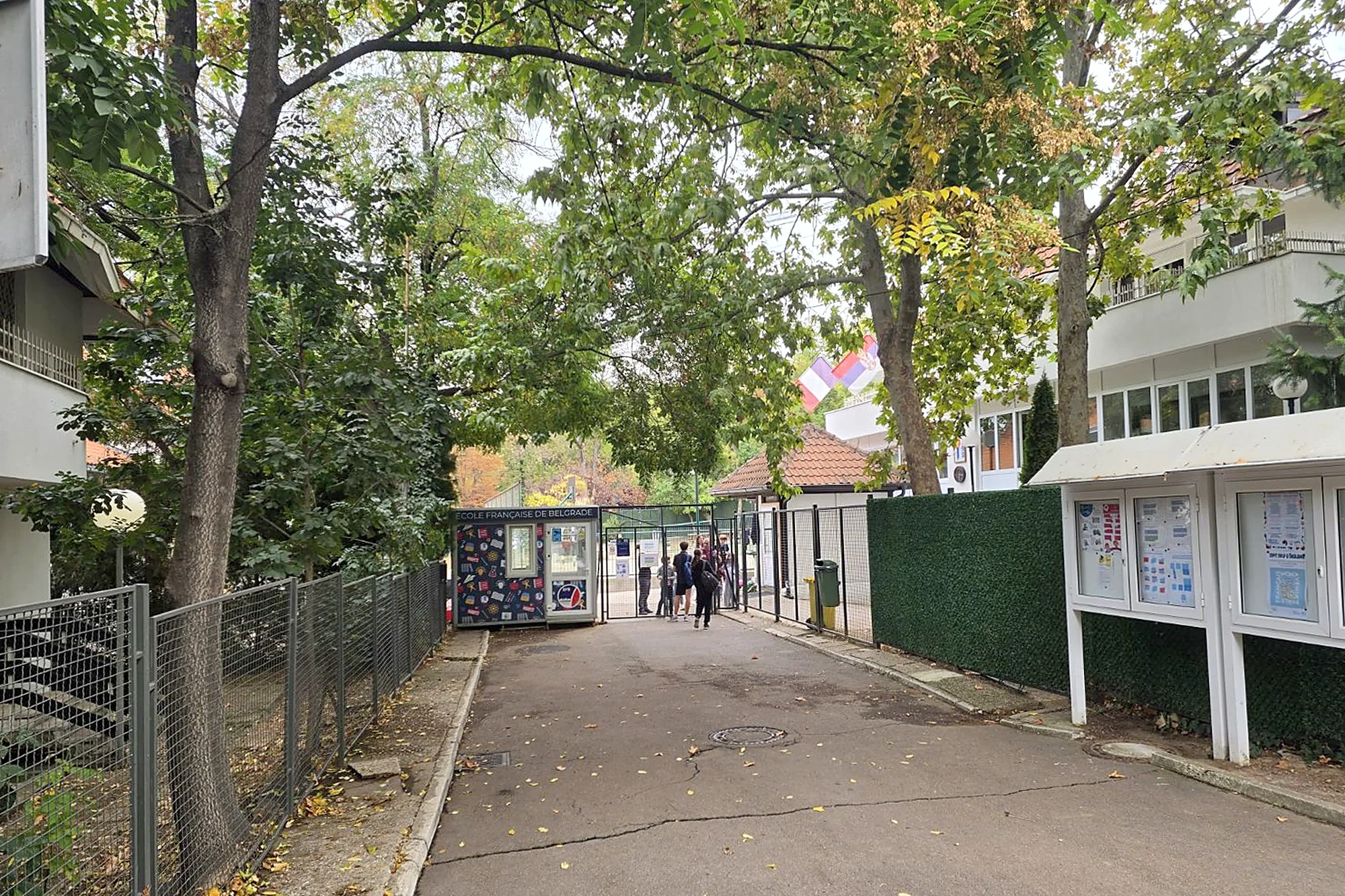
The seals are useful when they are read accurately. They show that a school has chosen to operate inside a wider framework, with external standards and external eyes on its work. They do not, on their own, say much about the school as a daily place. The strongest schools tend to be the ones where what the homepage says, what parents experience at the gate, and what children live inside the building all point in the same direction. Logos sit on a website. Consistency sits in the culture.