This summer Odysseus came home again. Christopher Nolan put Matt Damon on the water and rebuilt Homer for IMAX, three thousand years after the poem was first composed. There is something almost sacred in carrying an old truth into another time: the world around it changes completely, but the patterns of human behaviour beneath it stay recognisable. The challenge every adaptation faces, whether it has a budget of hundreds of millions or fits inside a school gym, is the same: which parts of the original still belong to us, and which should be left in the past?
Shakespeare's plays remain an inexhaustible source for adaptation and a frequent presence on school stages, often reimagined in contemporary settings.
Much Ado About Nothing runs on gossip, deception and the human appetite for scandal. Its characters listen at doors, arrange conversations to be overheard and accept a staged scene as proof. Beatrice and Benedick are each led to believe that the other is secretly in love. Claudio is persuaded that Hero has betrayed him. One deception brings two people together. The other destroys a young woman's reputation before a single person thinks to ask her what happened.
In Much Ado About Social Media, Messina becomes a school. Leonato, governor of Messina and Hero's father, becomes the headmaster. Don Pedro, the prince returning from war with his soldiers, becomes the basketball coach coming home with his team after another victory. The masked ball and wedding celebrations become prom. At the centre of the deception is a cropped AI-generated reel, passed around as proof that she cheated on Claudio.
Desire, vanity, jealousy, loyalty and fear need far less alteration. Shakespeare knew that deception usually grows best when planted in a fragile ego, a fear or a wish. Claudio believes the lie because it confirms what he is already half prepared to think. The crowd follows. Four hundred years later, the mechanism is the same. Social media gives it speed and reach, with a visible score beside every reaction.
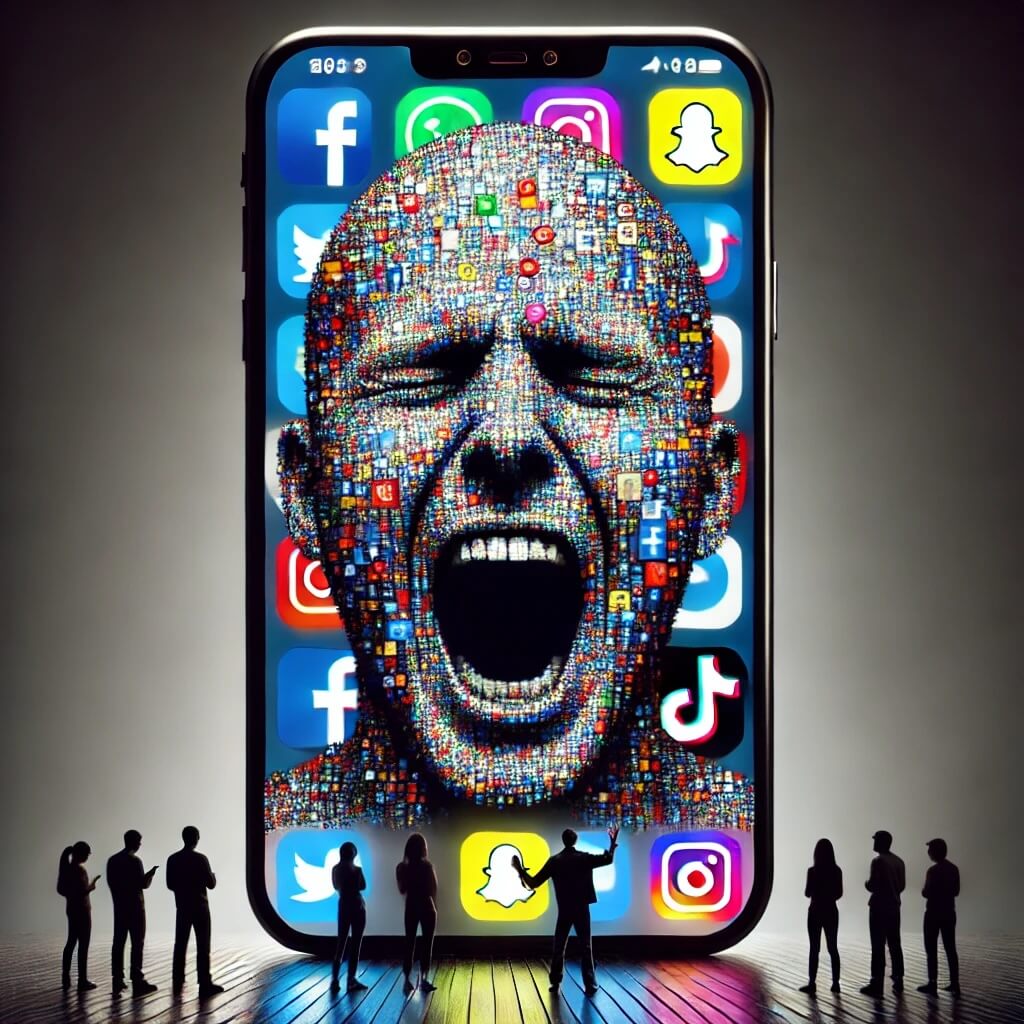
The rest follows its own unwritten rules. A Snapchat message answered at once means one thing; the same message opened but left unanswered means another. A TikTok video or Instagram reel going viral can turn a private embarrassment into a nightmare. Even silence is visible. Who watched the story, who did not respond, who unfollowed whom, all of it stays recorded. The verdict is public.
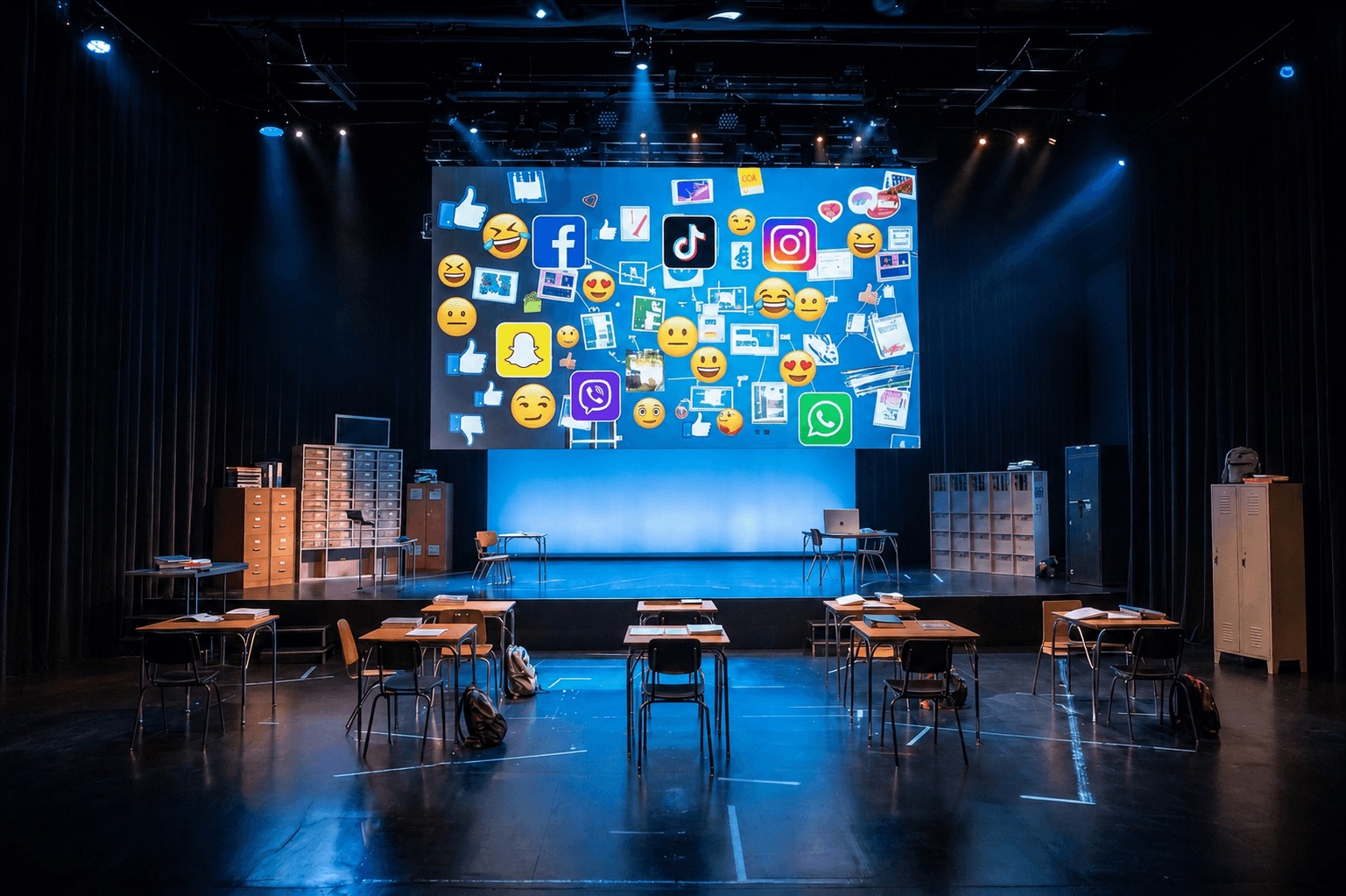
The events on stage echo across the vast screen behind the actors through social media posts, comments, likes and the pings and swooshes of notifications. The screen also serves as the backdrop. It opens the show with white letters surfacing slowly against black in an Old English-style font. Partway through, it runs a poll asking who is right and who is wrong. Later, the screen gives Hero’s disappearance a modern twist: she solemnly deletes her social media accounts one by one until it reads Profile Not Found.
And oh boy, what fun it was to make all of this. The students tried out ideas, laughed at some and dropped others. They added jokes and likenesses of teachers, classmates and situations. Gradually, the play found its way into the life of the school, taking on its real characters, humour and vibe.
The same rules applied to the set. It was just as playful as the screen behind it. The actors occasionally stepped out of character between scenes and became a troupe of reluctant stagehands, dragging desks and chairs across the stage while loudly protesting to the audience that they had to do all the work themselves, the way teenagers do. Each change became a small comic scene of its own. The lighting shifted the audience's focus. While one half of the stage was in use, the other remained in darkness, left untouched or quietly prepared for what came next. Then the light moved, bringing a corridor, cafeteria or gym into view while the other half disappeared.
One of the play's defining devices was breaking the fourth wall and interacting with the audience. Shakespeare's language stayed in the big, important lines and monologues, but the actors were free to step outside it. They kept their scripts in hand, occasionally "losing" their place when a fellow actor humorously fed them the line. At other moments, they leaned towards the audience to untangle a knotty passage in present-day teenage slang, explain a word or share a wink. The audience became their confidant, a partner in understanding the wit.
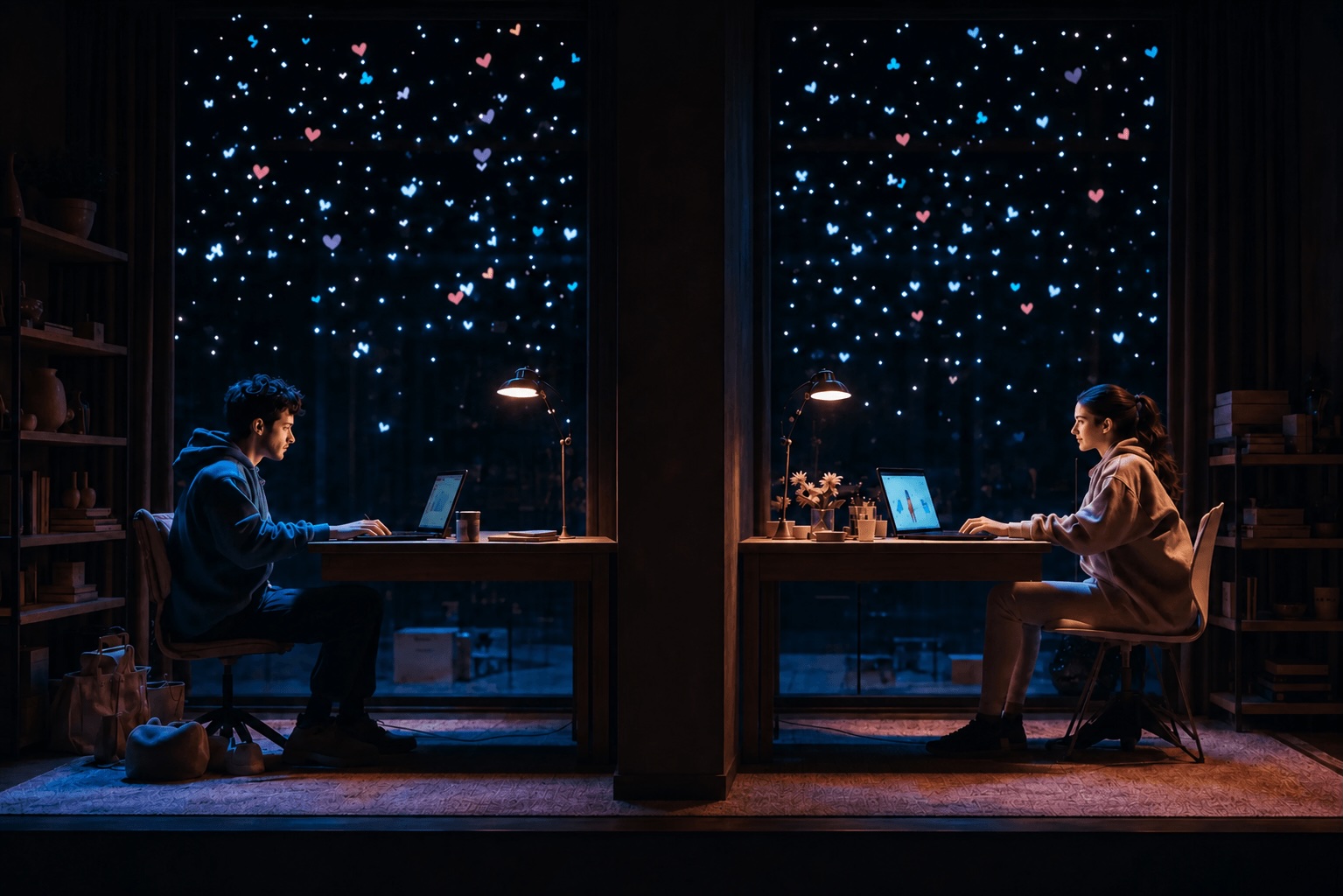
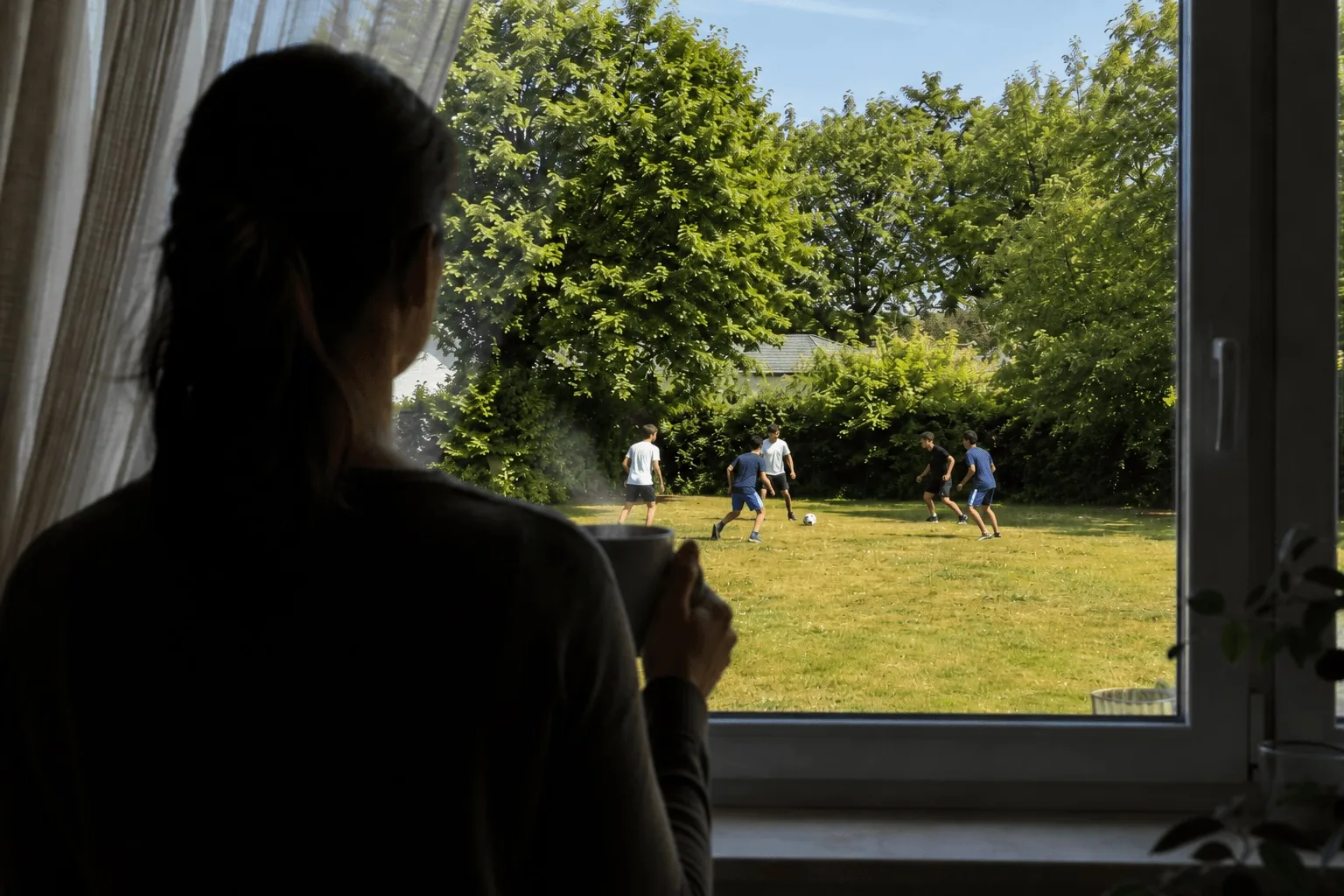
But strip away the contemporary setting, with its coach, prom, red hoodie and ping of notifications, and what remains is the oldest habit in any crowd: the secret desire to judge and the thirst for scandal. That is exactly what we keep: the part that embarrasses us with its accuracy. Shakespeare's characters listened behind hedges, watched darkened windows and believed conversations arranged for their benefit. We stare into phones. The equipment has improved considerably. Our judgement has not.
Much Ado About Social Media was written and adapted by Ivan Nikolić and is protected by copyright.