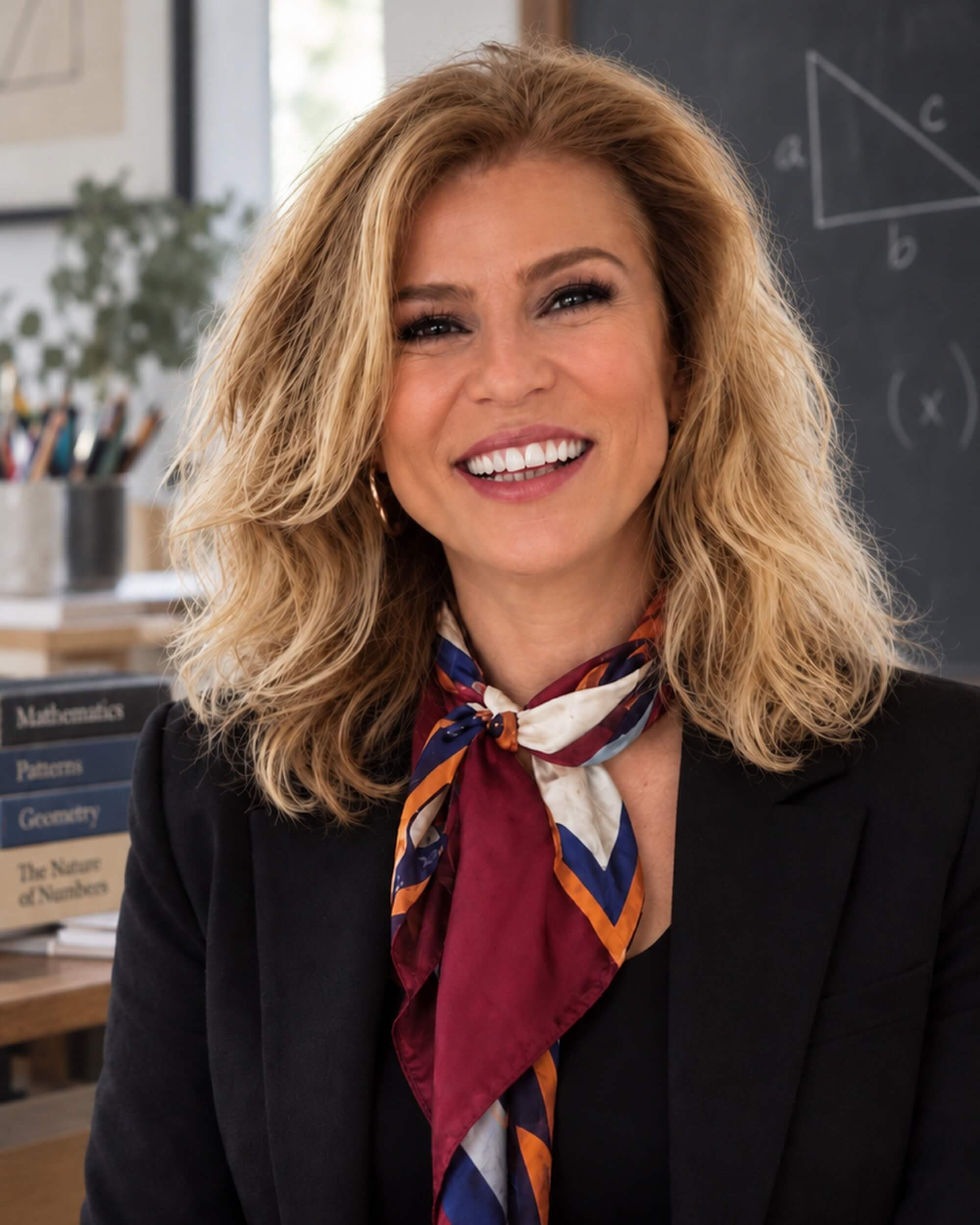
Handan Ercengiz studied mathematics at Marmara University, computer programming at Boğaziçi University and sociology at Istanbul University. She later taught mathematics at Özel Eseniş High School.
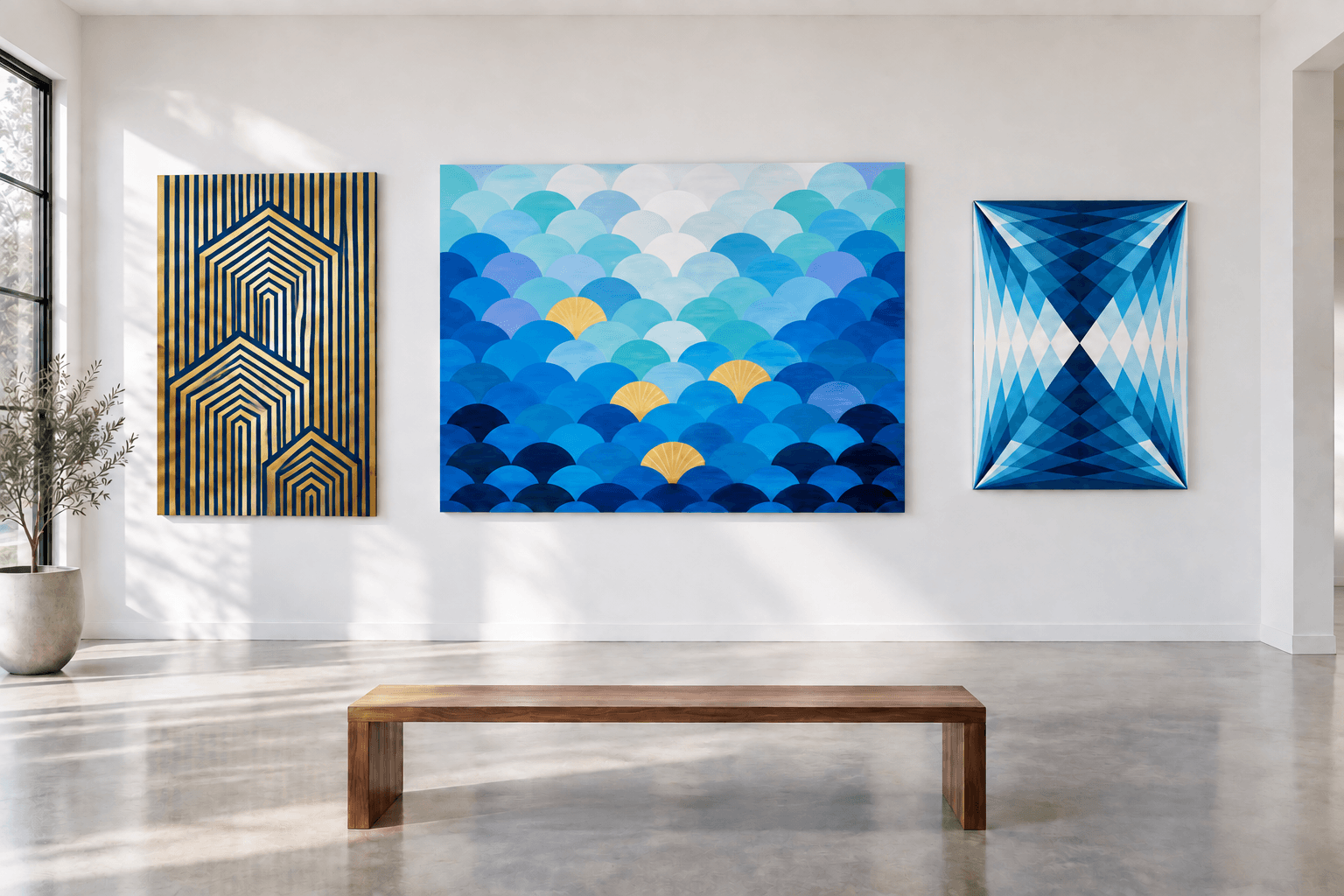
These days, Handan spends much of her time painting. Her art is still rooted in familiar ground: geometry, proportion, rhythm, pattern, colour and light. She speaks of finding mathematics in flowers and shells, in architecture, the human body and the rhythms of nature, and of art as a place where reason and intuition can meet.
We asked Handan to tell us about her teaching days, and how she had managed to break through the stigma and resistance surrounding mathematics as a difficult and frightening subject. Pausing for a moment and smiling, she remembered sometimes walking into the classroom and saying to her students, “I am not going to teach you maths today.” That would immediately set the mood; students would lighten up and look curious. On some days, she asked them to become Maths Detectives. She would start with something from real life, ask them to observe it, make a prediction, test that prediction and only then move towards the mathematics behind it. Handan had a sequence she returned to:
Real Life → Curiosity → Prediction → Experiment → Mathematics → Solution
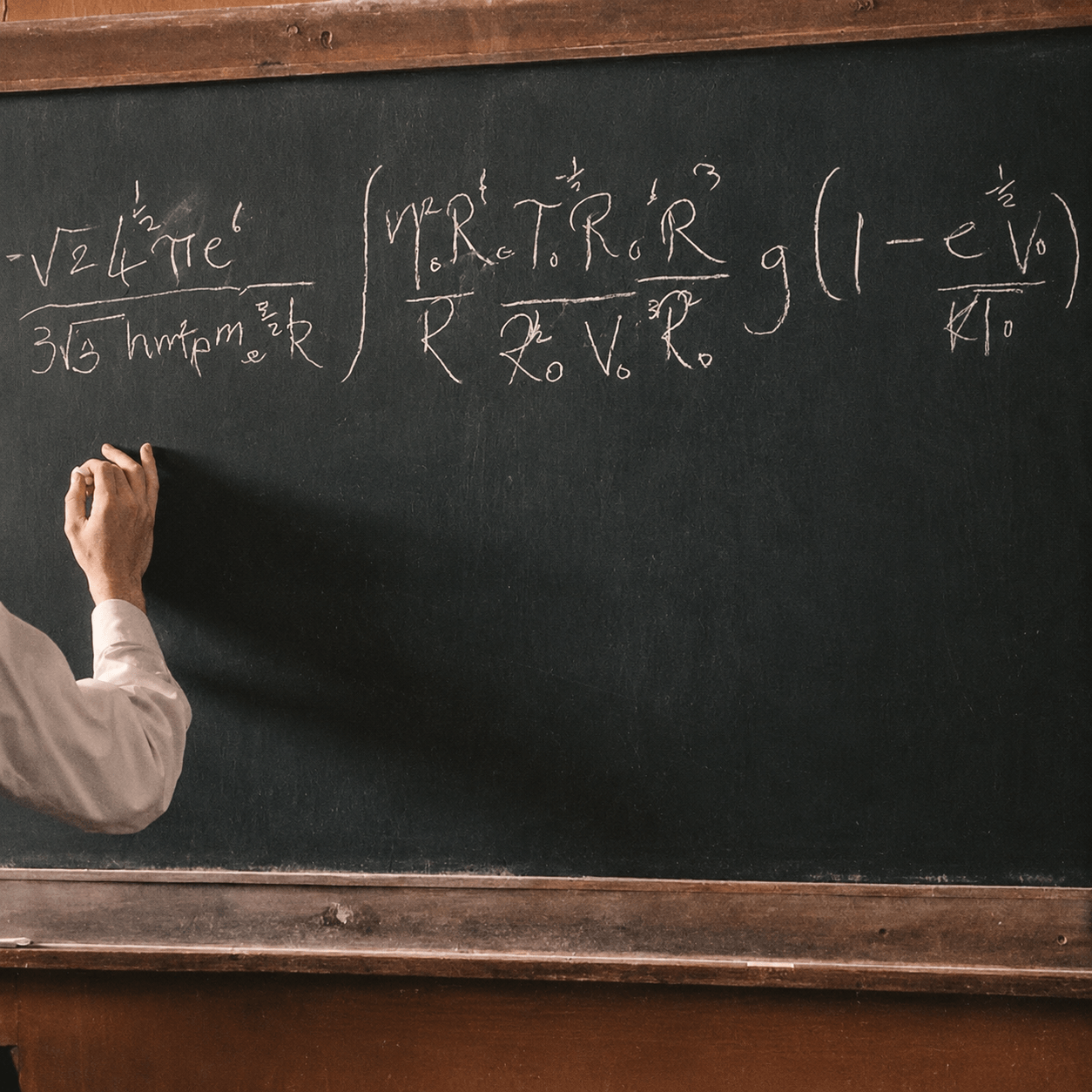
One of Handan’s teaching tips is to get to know your students. She would spend time with them during breaks, listening to what they talked about, what interested them and what was troubling them. She paid close attention to who was confident, who easily withdrew, who had more and who had less, who might become an easy target for teasing because of their clothes or appearance, or who was simply a little different. Knowing her students gave her a much better sense of how to teach them.
For the football fans, for example, she invented The Mathematics of a Penalty Kick. Handan would divide a goal into three areas, left, centre and right, and ask the students what the odds were if the goalkeeper chose a side at random. They made predictions, ran a 30-trial experiment and collected their own results. By the end, they were working with probability, frequency, percentages and data analysis, while still arguing about football strategy.
With musicians, the starting point could be a small keyboard brought into class. Handan would invite a student who played to perform something short and then move from the notes they had just heard to the relationships between their frequencies, ratios, proportions and periodic structures. For set intersections, she used the students themselves. Two groups came to the front of the classroom and, using shared characteristics, arranged themselves until those who belonged to both groups were physically standing in the intersection.
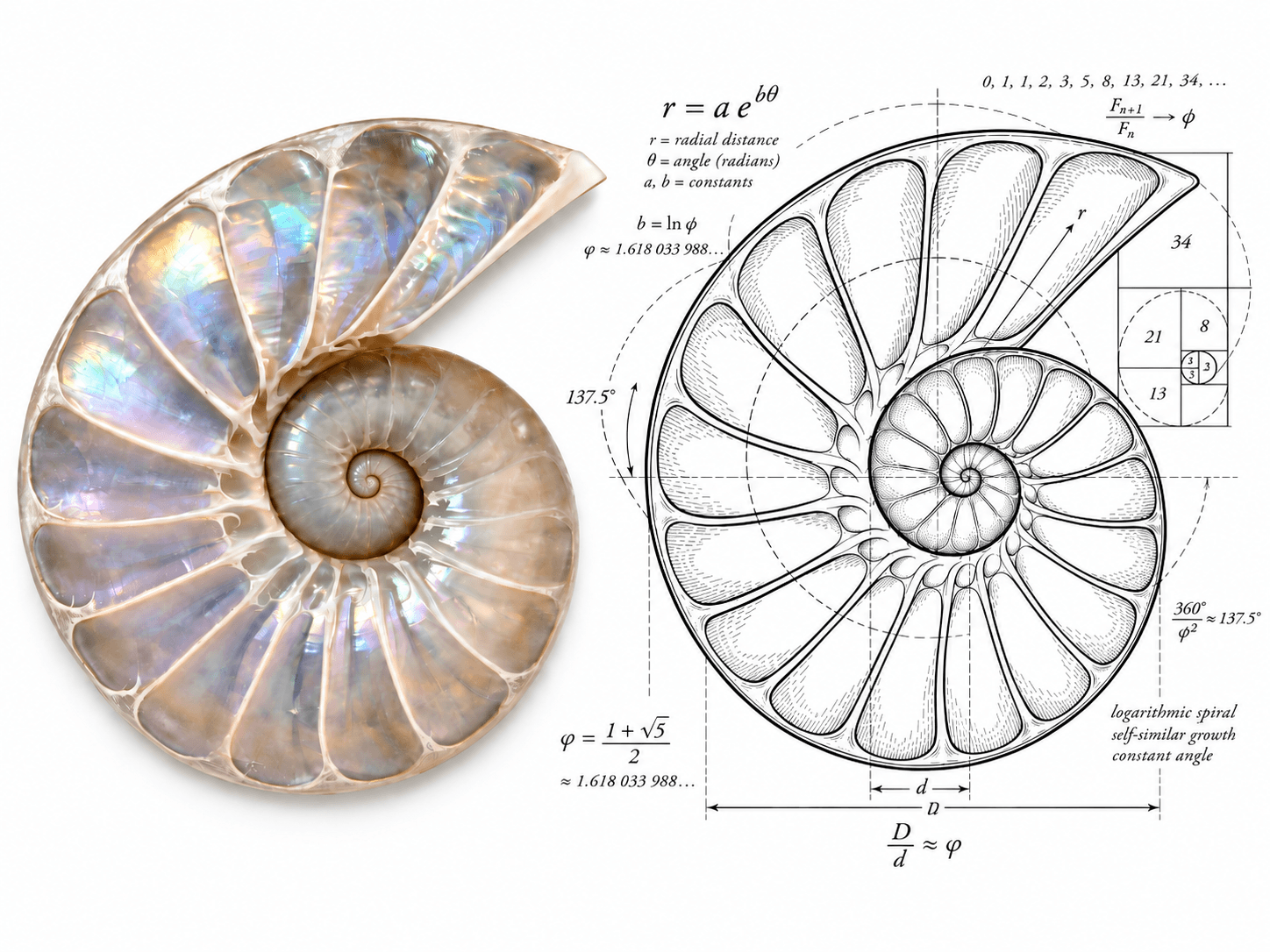
Some of her favourite examples came from nature. To introduce symmetry, ratio and geometric patterns, Handan might begin with a rose, a pinecone or a seashell and ask, “Do you think this pattern is a coincidence?” The students looked at what was in front of them, searching for patterns and relationships before moving to the mathematics behind them. Years later, those same interests remain visible in her paintings, where geometry, proportion and patterns found in nature continue to shape her art. Handan has described her paintings as questions rather than answers, an invitation to look more closely.
This was the point Handan was trying to reach. Once students started looking for patterns, testing an idea or trying to work out why something happened, curiosity took over. You could see it in the room: more questions, more attention, more willingness to try. Mathematics was no longer the difficult subject; it had become part of the way they looked at the world around them.
The clear sign that she was on the right track came from parents as well. They were telling Handan that their children were excited about mathematics and even choosing to do their maths homework first. Those same parents named her THE Teacher of the Year later on.
The teacher whose approach showed that mathematics is not another difficult subject on a timetable, but a way of recognising patterns in the world around us.