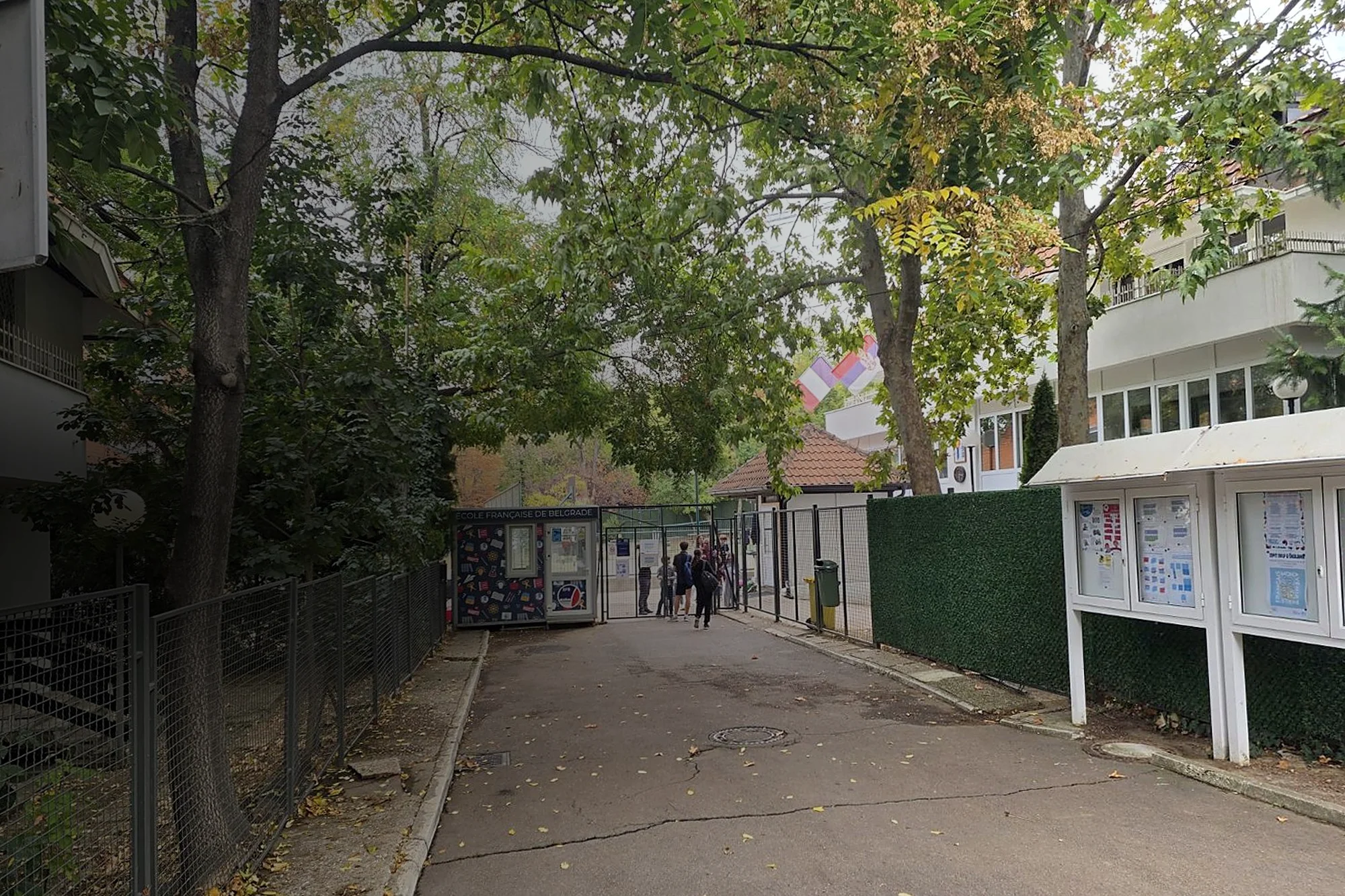
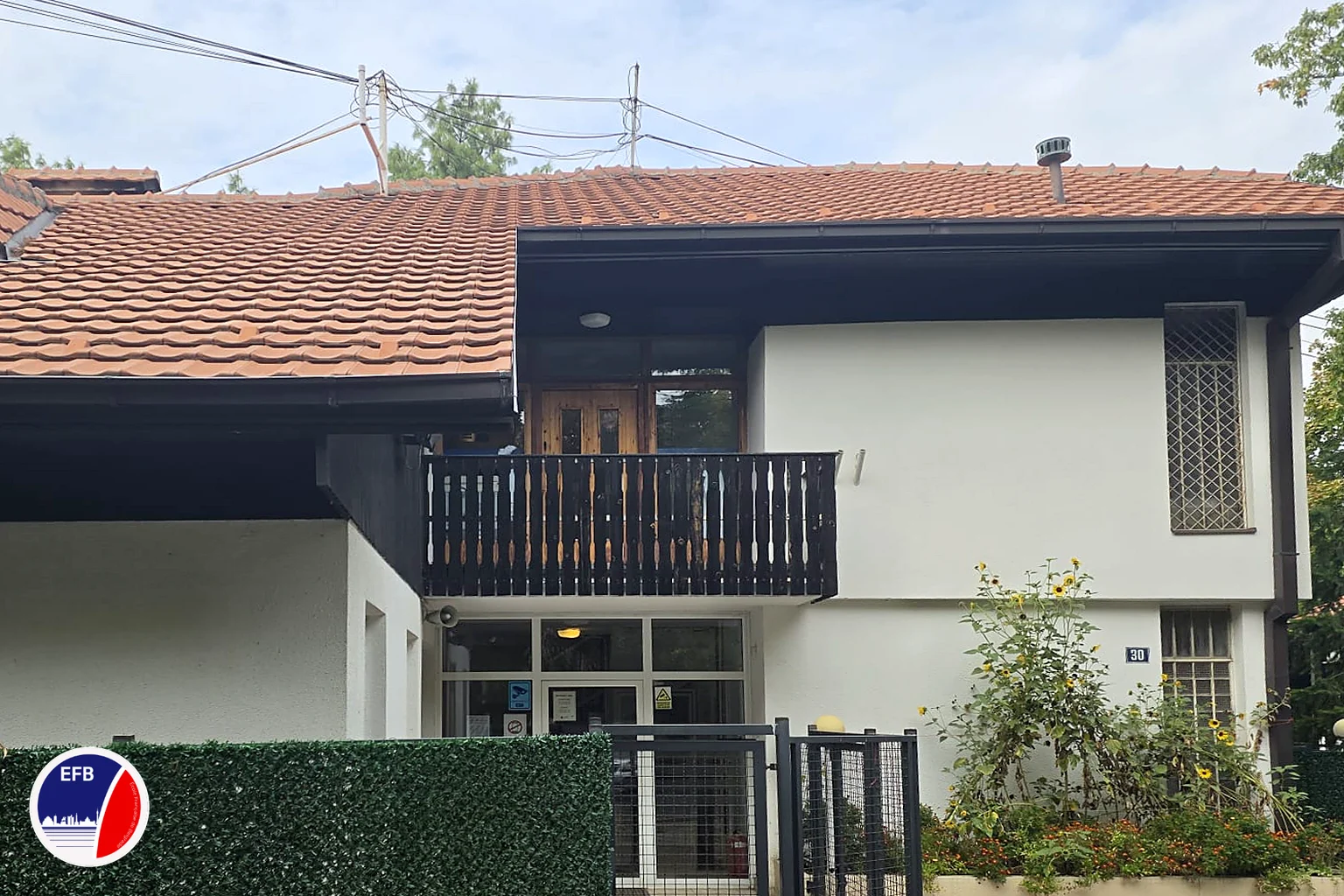
The French School of Belgrade has taught in the same buildings, in a quiet residential district of the city, since 1951. It has more than 500 pupils and more than 90 staff, and its diplomas are recognised by the French Ministry of Education. The school has never owned its premises. It rents them from the Serbian state, on a lease that ends on 31 December 2026.
On 26 May, the Serbian Ministry of Education wrote to the school that its buildings do not meet fire-safety standards and that it should find other premises. On 24 June, the state landlord confirmed that the lease would not be renewed. Parents heard about it on 25 September, in a letter naming a single building as the school's new home and calling a vote within days. The vote was held on 9 October.
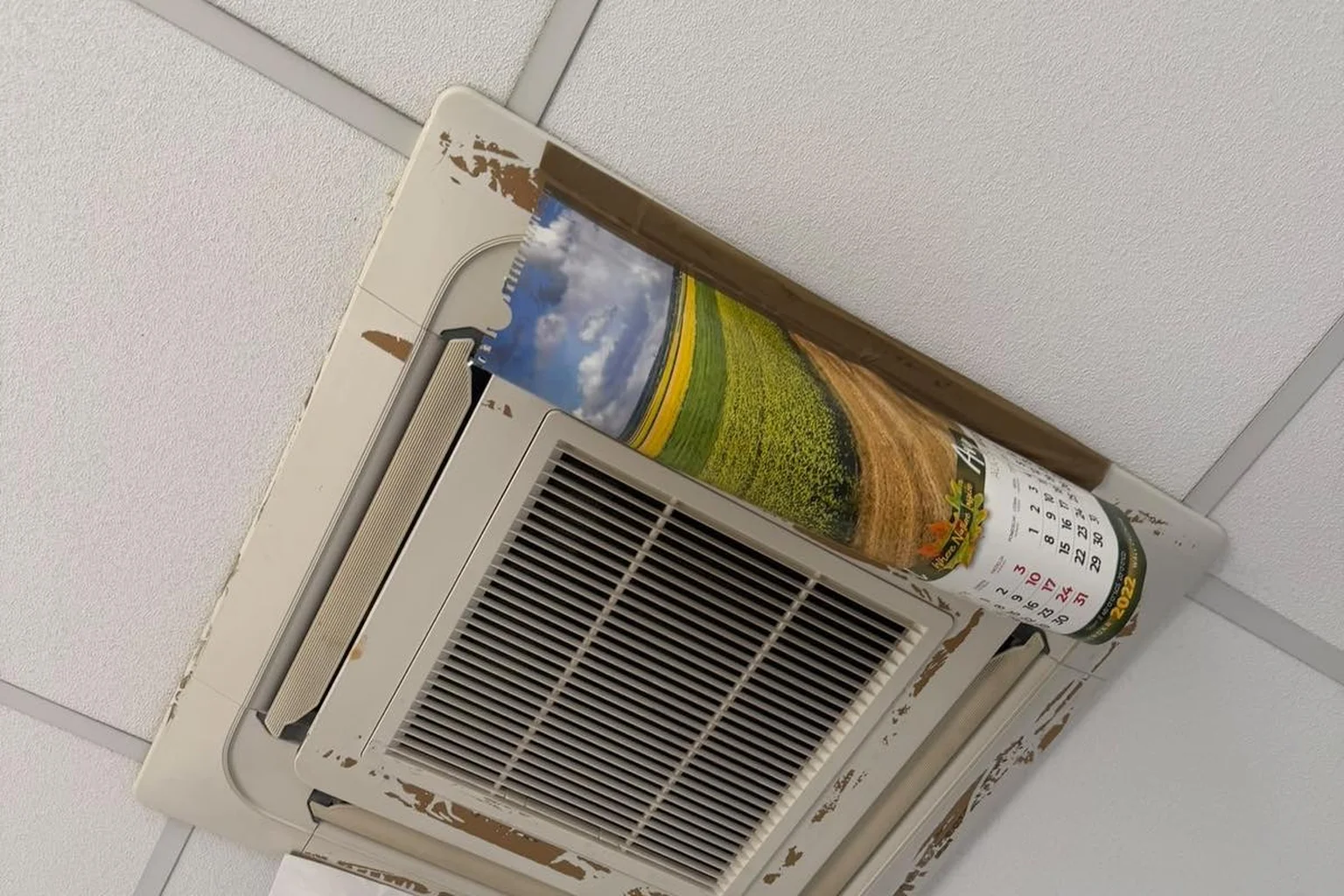
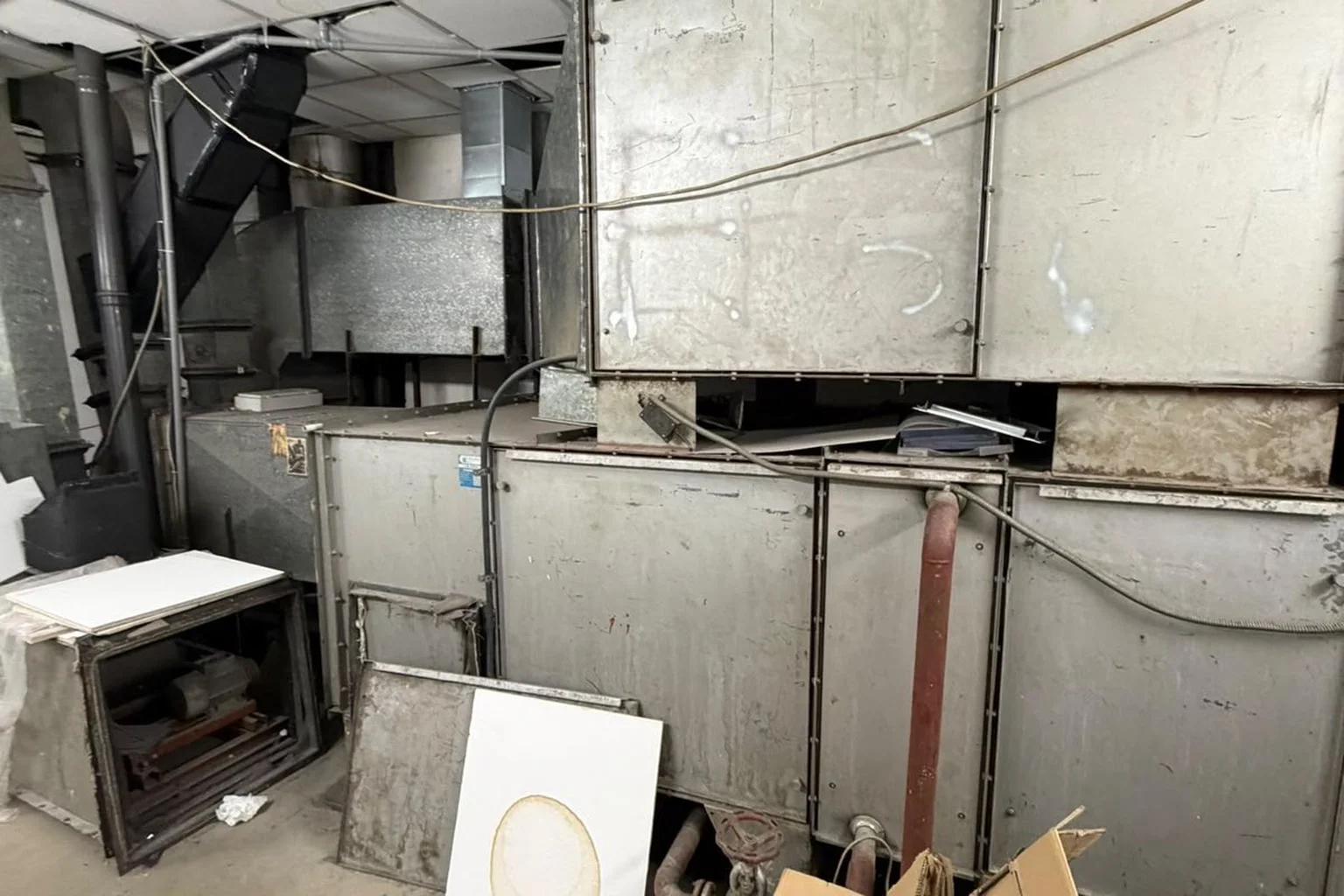
The proposed building has six thousand square metres of floor space and, as the school board's own letter acknowledges, no schoolyard. In photographs of the interior given to Education Edit, ceiling tiles carry brown water stains and several panels are missing altogether. A cassette air-conditioning unit is held together with tape. The toilets look old and run-down: stained basins, a bare pipe running down the tiles, cracked and discoloured tiles around the floor drain. On an upper floor, a tall window swings wide open above a low sill, the trim on its frame coming loose. Lower down, a ventilation plant fills most of a room, with flattened cardboard boxes stacked against it.
Parents have been told the building will be ready for pupils on 1 January. That leaves twelve weeks, Christmas included, to tender for an architect and contractors and finish the works.
THE BUILDING THAT WAS NEVER BUILT
The school has needed its own premises for years. In 2018 its leadership proposed a new campus in Belgrade Waterfront, the contested riverside development, and asked parents to help fund it at a cost of around twelve million euros. Parents rejected it, 220 votes to 157. In 2024 the school asked about building on land belonging to a neighbouring Serbian state school. That school's parents were alarmed, and nothing came of it. The board now speaks of a long-term plan to build a school of its own. It gives no date.
A BALLOT WITH ONE ANSWER
The question first put to parents, as quoted by the staff unions, began: "In order to avoid the closure of the French School of Belgrade, do you approve…"
The board later softened the wording. Its letter of 7 October told parents: "We are not asking you to choose between the closure of the school and the [new premises] project." A few lines earlier, the same letter warned that without a lease on 1 January, the school "no longer has legal existence under the law of the Republic of Serbia". The head of school wrote the next day that without an address the school "will have to close its doors", and that voting for the new site would give children the certainty of a place in January.
Parents were asked to authorise a lease they had not seen, for works that had not been tendered, in a building that no one could promise would open on time.
Four staff unions, French and Serbian, asked for the vote to be postponed until November. They accepted that the school may have to move. Their questions were basic ones: Serbian law does not normally allow a school to change its seat during the school year, so has the Ministry approved it? Could the current lease run until July? What has the French agency that oversees the network said in writing about the school's recognition? What will the works cost, and what happens if they are late? The wording of the ballot, they wrote, "establishes a direct link in voters' minds between rejecting the proposed site and closing the institution".
WHAT PARENTS SAY
Some comments from concerned parents:
“Only one thing is certain. If the vote is yes, the school will sign and immediately pay a €400,000 advance to move into an unfit building.”
“Anyone at the meeting on 1 October heard at least twenty parents ask questions, and heard the muddled answers from the board and the head.”
“The real question is who represents us, and why the decisions of the extraordinary assembly in December 2025 were never carried out. If they had been, none of this would have happened.”
“I spoke to a lot of foreign parents. They don't know how things work here, and they all believed that if they voted no, the school would close, and if they voted for the move, it would stay open.”
“We are being moved into a building from 1945, with no yard, in worse condition than the one we have now. Either that, or the school closes.”
“Thirty teachers are under pressure, and so are staff who cannot say what they think. An email went out at 7:57 in the morning to frighten parents.”
THE MONEY
The French School of Belgrade belongs to a network of more than 600 schools in 138 countries, overseen by the Agency for French Education Abroad (AEFE). That network is short of money. The agency announced a deficit of around sixty million euros in December 2025 and has shifted the cost of teachers' pensions onto the schools themselves: 35 percent of the employer's contribution this year, 50 percent next. Fees across the network rose by an average of seven percent in 2026 and by up to twelve percent at some European lycées. Teachers struck on 29 September. In Mexico City, the Lycée Franco-Mexicain has left its agreement with the agency altogether.
Belgrade's crisis started with a fire-safety ruling. The threat that carried the vote came from Paris: lose the building and the school loses its French recognition, which is what families pay for. A school recognised by Paris still depends on a landlord, a fire inspector and a ministry in the country where it stands.
THE CHILDREN
Pupils face a move in the middle of the school year into a building without a yard. Outdoor space is promised for the first half of 2027, rooftop terraces and a converted garage for the year after. Staff warn that enrolment may fall, and the school has already let people go for financial reasons. Families are paying more every year.
The Ministry has its fire regulations, the landlord its lease, the agency its deficit and the board its deadline.
Parents voted on 9 October. Whatever they decided, the lease on the school's current buildings still ends on 31 December. No one yet knows whether in January the children will move into a worn-down building without a yard, or whether their school will close.